
On today’s #dldawarenessday.
DLD was her first diagnosis. Given by the board at her school which explained this condition thoroughly.
Years of longing to understand so many questions finally answered in one October morning.
Every single trait matched.
Have you ever felt a big relief and utterly heartbroken at the same time?
That was exactly how it felt when I was standing long and quiet in front of that board. The trembling hands reached the phone, snapped all the information on board, sent it to her dad and became the longest conversation of that day.
Days after would never be the same anymore.
In spite of the mixed feeling, still, an answer means a closing, which was truly what I needed.
It also means more new doors to be opened, more reasons to learn and know more about this.
Registered as the first DLD Ambassador from Indonesia, registered to NAPLIC conference and listened to more people with the same conditions, read and bought available books and articles about this.
Along the way, more different diagnoses came for the past three years. It felt big and hard at the beginning, but, it shrank as time went by. Always.
But, DLD will always be a defining moment. DLD is lifelong condition that the person will grow with it forever. But, it doesn’t matter.
Through DLD I understood a diagnosis was important to understand someone better, but, never to define what she can’t or can do.
DLD is my ultimate reminder, you can do everything, give your best, and there are still so many things outside your control. Blame yourself a little bit and move on.
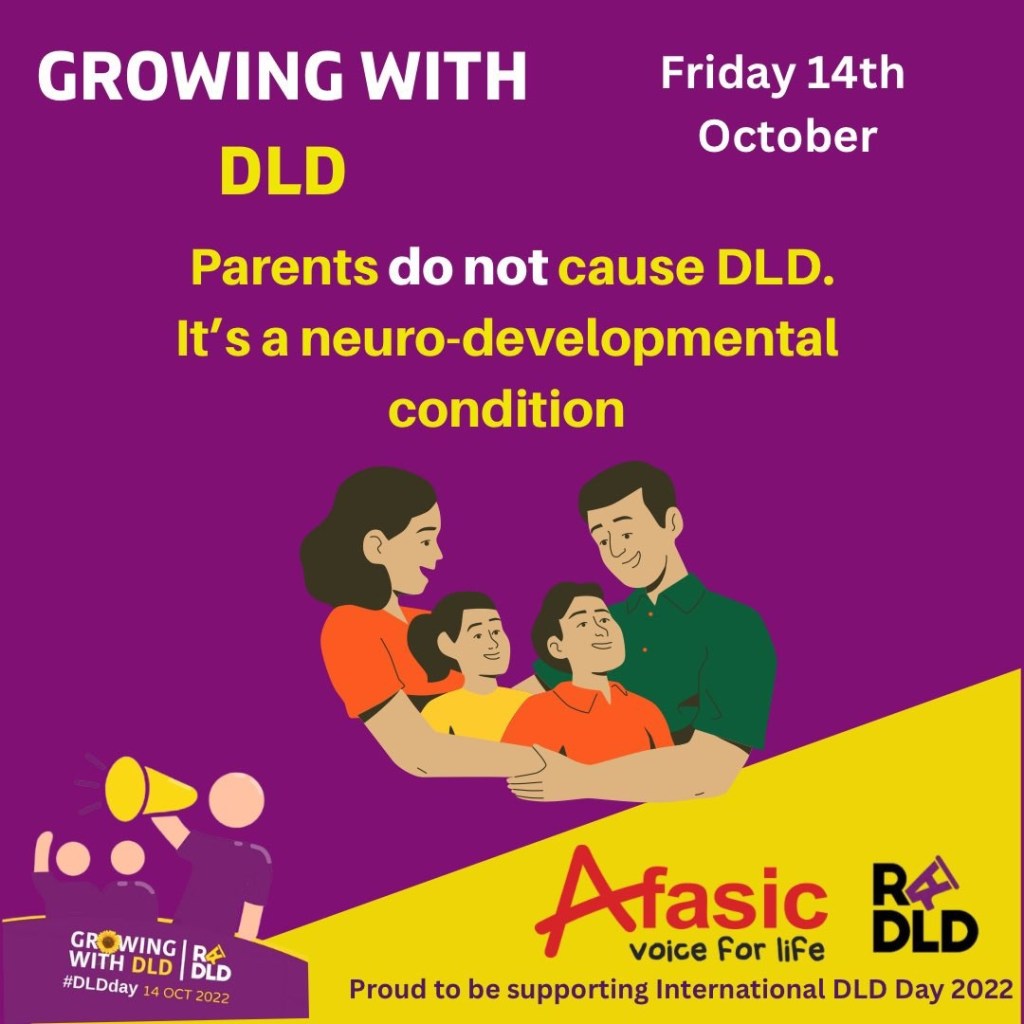

What makes the difference is how you respond to whatever shit life throws at your face. You have that enough power on that.
After so many exposures and continous reading about DLD and many other neurodevelopmental conditions, I began to understand that they don’t lack in anything but, just simply different.
That’s it.
Many times this is seen as a problem because people are not comfortable about differences, let alone accept it.
That’s why what should be done first is raising the awareness.
Just like everyone, with or without DLD, to function well, what we need is support.
That’s it.


 A Penny for My Pensieve