Posted in Books, Maternité, Thoughts

It’s Not About You

It takes almost seven years with all the ups and downs until I realized something about raising a child : It’s absolutely not about us, the parents.

The more time I spend with this little girl and saw several total differences between us, I reminded myself often, she’s not me. She loves something that I am 100% not into like make up, art and white milk. She is pretty good at something that I wasn’t at her age like playing piano and math.

The return to the bulk of readings after years of absence, moving to London, and become almost a total stay at home mother, all since last year, change so many point of views.

I thought knowing lots of things about children, in theory and some practices, were enough to make everything run smoothly.

In reality, how little did I know and how much that I still have to learn. The more I read, the smaller I feel. Even in certain parts, I felt like being cornered and pushed to throw my previous view and replaced it with something which I have zero knowledge about it.

I felt like halfly dragged out of my ‘bubble’ and shown a complete different sea about children and their development.

One of the best things London brings is the chance to see and live with so many different people, yet, it feels like we are all the same. Unlike me, who had grown up in almost similar environment from elementary to high school, even college, I loved how diverse the little girl’s school there.

She played with so many different kids from different cultures. The British, African, Chinese, Spanish, French, Finnish, Arabic, Italian, and so were the teachers. She was the only Indonesian there. Nobody really cared about where one came from. They just played together.

In her school also, I was able to witness how disabilities, whether it is visible or invisible got equal treatment. No one really cared if you have disability or not, in a good way. I remembered a girl in a wheel chair at her school. The most noticeable thing that I remembered from her was nothing about her disability, but…

her confidence.

She looked so bright and nice. The way she talked to others, it was so pleasant to see. The other important thing to notice was how the school community treated her. I didn’t witness any pity looks either from her friends or the teachers.

Once, I saw her when she wanted to pass through the door and a teacher and a student were there. What did they do? They hold the door until she went through, but nothing about ‘helping’ her so she could do it faster.

They waited.

I really thought that was just the right amount of help. They knew she could do it by herself, so they didnt came to her to push the wheel chair, instead they chose to hold the door.

She wasn’t the only one. I saw several others kids with visible disabilities and saw similar vibe from them. For someone with learning difficulties like her, the amount of help received was beyond our expectation.

That was one eye opening experience for me, until we (I) decided that she might need a different school than what I had already had in my mind before. About the school, maybe a separate post would be good.

I looked back often in raising her. Previously, it was because I wanted to do as what my mom did, but then, I realized, not all of it was applicable. The more I realized I wasn’t my mom and my little girl wasn’t me, the more I feel better in raising her differently.

I followed the basics which I considered universal and important like sleeping and eating, but became quite relaxed in other things.

I did totally different thing in things that I considered important but not really happened in the time I grew up, like apologizing. Showing that we, the parents, can make mistake and we will apologize if we do that.

Days are not always rainbow, but when we are angry to her, we try our best to avoid silence treatment. We talked about it right away and explained why.

I didn’t say that my parents were doing things wrong. Just like me, I think, we just did what we thought the best within our power and knowledge, at that time.

This is why I said in one of my previous posts, it’s the parents who have lots of homeworks to do, not the kids.

It’s not an easy job to change the mindset. To become more mindful about how everything we do, even the simplest one, will have certain impact to the child, bad or good.

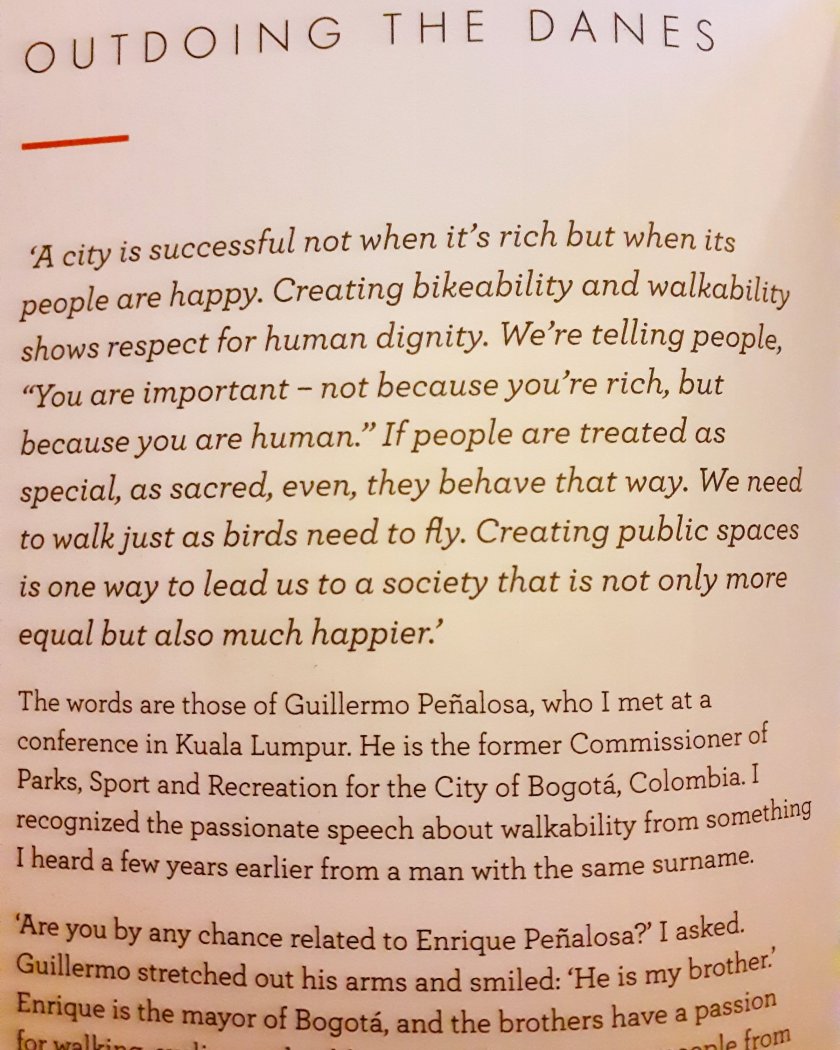
Currently reading a book called ‘Special’ where some pages pinched me a little but quite hurt inside, like this :

Every birthday, I always write two wishes, for her to be always healthy and happy. But, yes, I write that with certain scenario inside my head. How kind of healthy and happy I imagune for her, based on my experience and thinking. Years before motherhood, I really thought parenting is about repeating the cycle. Your child will just have to follow what the parents choose for them,then, it’s done. Until the next cycle begins.

But, for the last few years the game has changed a lot. My daughter has been going through lots of things that I didn’t, AT ALL. In good and challenging ways. Before seven, she has been to many places, meeting and playing with lots of different kids, exposed to kind of weather and cultures, talk and think in totally different language than mine.

There’s no way raising her with the same mindset like my parents would work.

It reminds me of Kahlil Gibran’s famous poem The Prophet :

Your children are not your children.
They are the sons and daughters of Life’s longing for itself.
They come through you but not from you,
And though they are with you yet they belong not to you.
You may give them your love but not your thoughts,
You may house their bodies but not their souls,

For their souls dwell in the house of tomorrow, which you cannot visit, not even in your dreams.

You may strive to be like them, but seek not to make them like you.
For life goes not backward nor tarries with yesterday.
You are the bows from which your children as living arrows are sent forth.
The archer sees the mark upon the path of the infinite, and He bends you with His might.

His arrows may go swift and far.

Let your bending in the archer’s hand be for gladness;

For even as He loves the arrow that flies, so He loves also the bow that is stable

I feel like needing constant reminder whenever it feels frustrating because I keep pushing something only from my point of view.

But, there’s one thing that should be remembered : we’re not only raising a child, but also a future adult.

Tricky bussiness indeed.

Lastly, a closing page, still from ‘Special’ summed it well :

Bear these in mind, you.

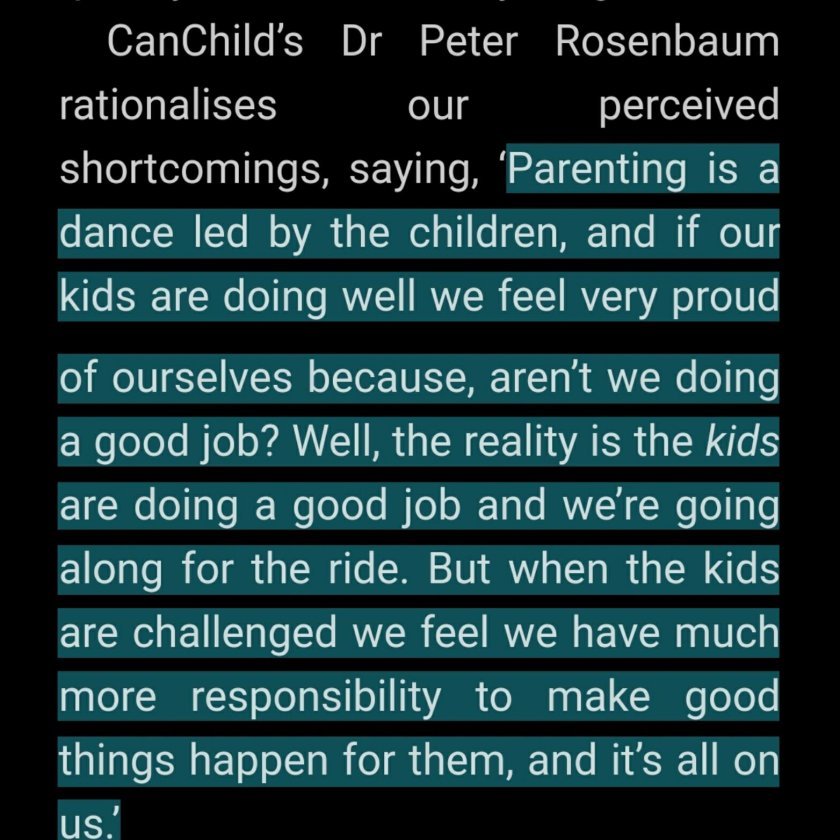
It’s her who has been doing a good job so far, and you ride along.

So, take credits, but not too much.

Feel guilty, but never too much too.

Posted in Books, Thoughts

My Best Friend

The best thing about having books as your best friend is there’s always the right one on the right time.

Certain books will find you in a specific situation, right when you need them the most.

The way they ‘talked’ without any noise or annoying voice is comforting.

The way they ‘listened’ to your situation without any interruption is soothing.

The way you can relate to the characters situation makes you able to reflect deeply.

The way they provide new insight to your real life problems scientifically is enlighting.

Zero percent possibility of judgement, drama, lie, or shame that instead of feeling better, would make you feel worse after sharing your problems.

A book is the kindest best friend you can give to yourself.

Reading by no means is the best habit one could do to both your brain and heart that will give long last, safe and secure protection that no one could take from you.

Good food, good sleep, and regular exercise will keep you physically healthy.

Good book will help you to be mentally healthy.

Definitely what we need to stay sane in this crazy world.

Posted in Books, Thoughts

The Nordics Life, The Reality, and The Wishful Thinking

I once wrote that having proper time to read and supported by a short and walking distance library with good collections was one of the highlights living in London.

Visited the library few times a week becomes a routine (or semi addiction). The more books I read, the more I crave for more . One book leads to another like snowball effect. My favorite sections are around 158, 650-658, and several of 302. Those are codes for Health and Psychology, Bussiness and Money, and Social Science. I don’t understand why and how, I have stopped reading fiction since few years ago.

Among many books I have read, a soft spot always left for anything related to Nordic. Their lifestyle, philosophy, daily life, education, even only by reading, I have felt certain peaceful feeling that is quite hard to understand. I have been reading all three books from Meik Wiking, a Danish writer and happiness researcher. This year he also opened Happiness Museum which instantly becomes my next travel wishlist . I also had finished Katja Pantzar’s Finding Sisu about Finnish life style and also a book about Lagoom, a Swedish life style. All those books were inexplicably soothing.

Do you know the difference between Nordic and Scandinavian?

Scandinavian consist of three countries Norway, Sweden, Denmark and they are part of Nordic.

While Finland and Iceland are Nordic countries which don’t belong to Scandinavian.

So, Scandinavians are part of Nordic, but some Nordics aren’t Scandinavian.

The world happiest countries list 2020 had been released and two out of five members are on the top five, four out of five on the top ten, and five out of five are on the top fifteen. Here is the full article.

I remembered one of the lines that Meik Wiking wrote in his book, “I wrote here as a happy citizen and a happiness researcher”. It’s such a simple statement yet so meaningful. To claim yourself a happy citizen, you must be taken care very well by your country. Look at this lines :

Other than soothing, half part inside my heart is also aching. It’s aching because it’s almost impossible having those things in the home country. There’s almost impossible to say the same thing about my own country. More, after watching all the things that that stupid, useless, and ignorant government have done in dealing with this pandemic.

Okay, calm down. This writing won’t rant about that.

Just like French, Dutch, German, these Nordic Countries are also have their own life styles. Everything is integrated in every part of life since the very beginning of a child’s life and the whole country practise those together. In the end, those become nation characters. Every single life aspect is carefully decided and developed through research, and regularly updated, but the main idea stays strong. The foundation is firm and secured.

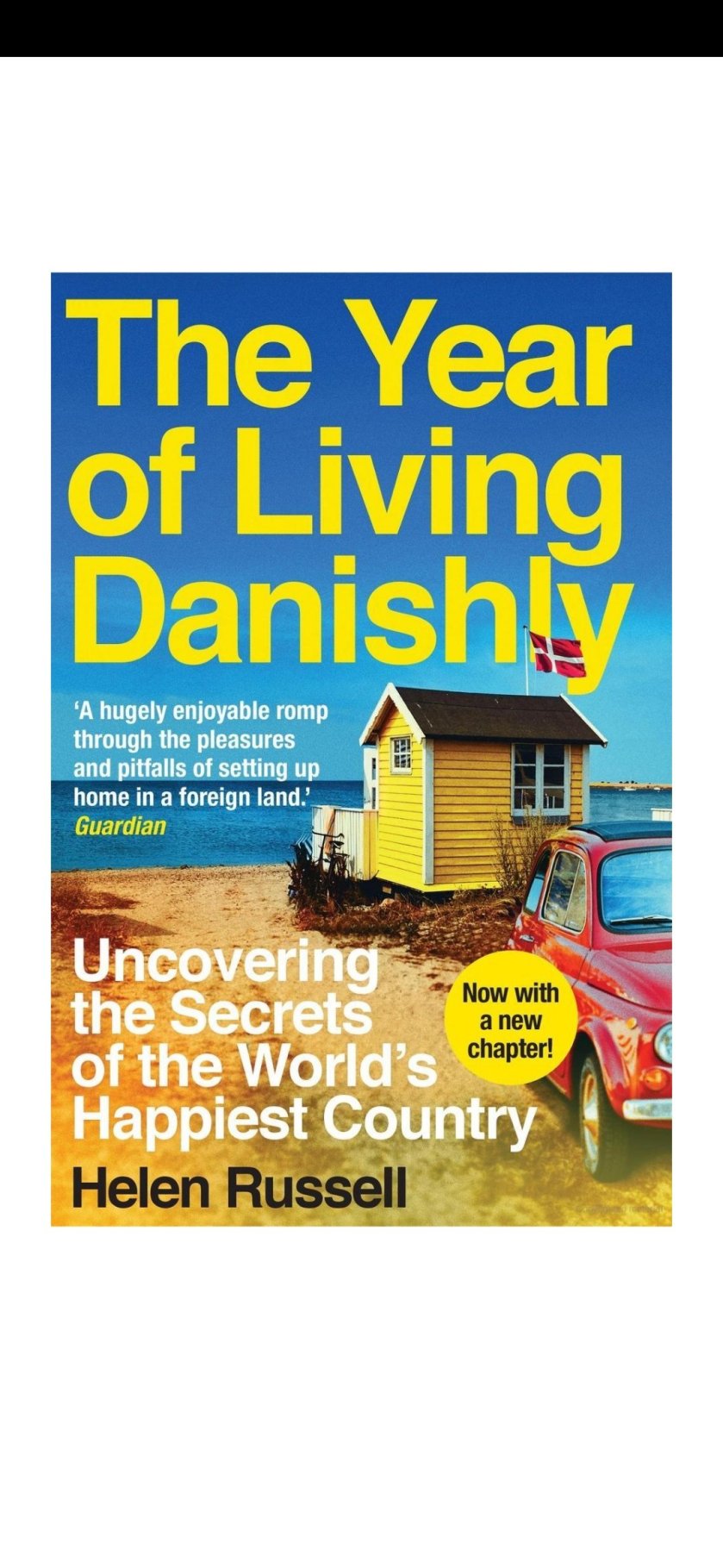
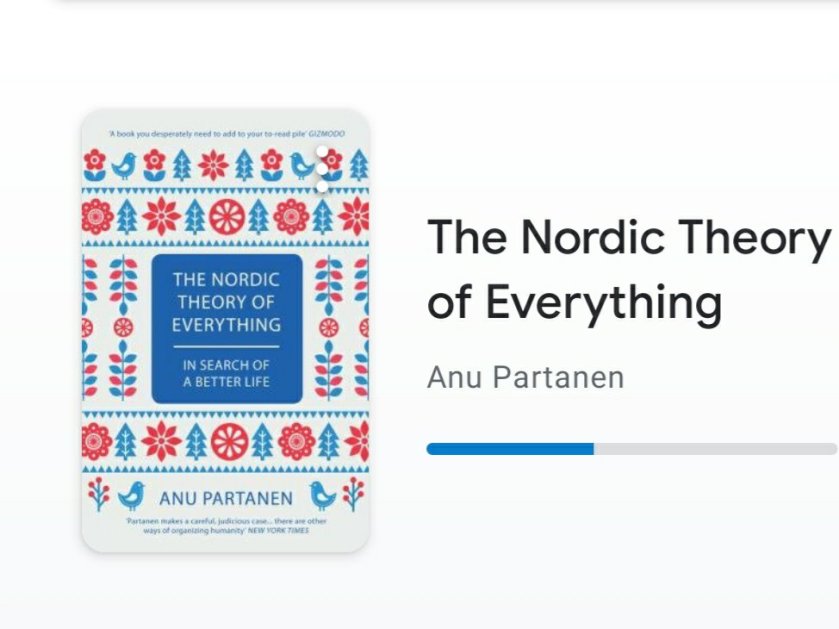
After Katya Pantjar’s Finding Sisu and Meik Wiking’s trilogy, I keep going with more readings about the Nordics. I had been reading Helen Russell A Year Living Danishly and The Nordics Theory of Love from Anu Partanen pararelly and it led me to more readings and documentaries watching. Four episodes of Dan Rather’s Global Education Report potrayed how the school in Finland, as one of the countries with highest PISA scores, ran daily. The more I watched it leads to deeper heart-wrenching.

Free basic education to higher one, comprehensive pregnancy care to overall health care, the support of inclusive education, employment to jobless support, how, I mean, really how, they can think about those things in details and provide secure living for their citizen from birth to death, in whatever condition you have to go through.

There’s almost none that they have missed.

From the day you were born, you will receive a box full of your daily necessity of your first months of life. The box also served as the baby crib.

Once you enter toddlerhood, high quality day care is waiting for you.

You will enter primary education around age seven. It doesn’t matter whether you can read, count or write or not. It doesn’t matter whether you are that bright kid with high IQ or one with any kind of learning disabilities or any kind of physical disabilities, you are eligible to secure a seat in your primary school on your neighbourhood. No entrance test, not a single penny needed for this.

Basic education will go for nine years and no worries about dealing with standardized test. You will only have one at the end of your nine years basic education. Before that, everyone will be evaluated according to their own progress and support will be available throughout your education journey.

You will be guided and supported by those high quality teachers, who have at the very least Master degree level, and have been through 5-6 years period of massive teacher trainings.

As a school kid, you will enjoy huge amount of recess time, outdoor playground, complete school facilities to entertain your interest like music, sport, reading, games, and many more.

Finland has the shortest learning time yet the highest PISA scores.

Once you have finished your basic education, you can continue to either vocational school or university and there is no pressure on that. One choice doesn’t make you better than another, because in real life, we need each other.

You can move out from your parents house and be independent while pursuing the higher education because the country will provide you with some pocket money for the living. Not a single penny for the tuition fee.

You will have to pay high amount of taxes once you’re with a job. But, if you haven’t found the one that suits you best, you can take your time and still receive some support, not from your parents, but from the country, while searching for the jobs.

When you decide to have a kid, you will enjoy generous parental leave while still keep receiving 80% to full amount of salary.

You dont have to have the slightest amoubt of worry when you’re sick. The health care system will take care of you.

You will live in a society who trust each other. In the level you can leave your baby in her pram unattended outside while you enjoy hot coffee and warm pastry inside the cafe during winter.

You will be part of the citizen who pays such high taxes yet won’t file a single complain. Instead, you’ll be one of the people who answered “I am eight, nine, or even ten out of ten” when Helen Russell in her book asked the Danes about how happy they were in the scale of ten.

Being a Nordic means half of your life problems has been taken care of by your country.

Fifteen months in London, I experienced a glimpse of this Nordics beautiful life. As we come as a taxpayer, the salary is deducted by 40% every month. In return, we enjoy free education for the little girl, free lunch, free health care check up from the eyes, dental care, compulsory vaccines, and the huge support we needed for her learning disabilities at school, health care check up for me like pap smear and HPV vaccine, all for free.

We enjoyed fresh air, beautiful view every day, clean and beautiful huge city parks everywhere, proper playgrounds around the neighbourhood and integrated public transportation.

The doctor enjoyed humanely shift schedule, proper break within tough working days, generous annual leaves, even being chased to take more leaves, and not being disturbed outside the working hours.

It was short, yet during those times, we knew that there were places where we could have a better quality of life in every aspect possible.

____________________________________

It’s been three months since we return from those ideal situations and back dealing with a total opposite ones. I have been whining too often. And pretty loud.

How can’t I when the doctor’s working schedule takes all four weekends and national holiday, with no weekdays off, long daily working hours in the hospital, weekend online meetings. There are too much to not to be annoyed. It felt like being lockdowned by the schedules.

The pandemic made it even worse. Other than lockdowned by inhumane shift schedule, during these months, no single parks and playground are available for the little girl to play since they are all closed. Going out always costs quite amount of money.

Before London, such life seemed just ok. Far from ideal, but we didn’t know another way to live. Thinking these are the things that we just have to go through in life.

But, after London, the view has changed drastically.

It changes the way we see, the way we do things and what we choose for the future. From choosing a place to live to the school that the little girl will go.

The struggle is harder because there are this gap between the situation we want and the reality we face. Then, maybe that’s the reason why we had to return. To working on the gap.

To find some ways to go to our wanted ideal situation. Although it would be uncertain how long it will take, or even whether we will really have a chance to really be there. But, who knows we might get there. If it’s not for us the adults, maybe for the little girl.

The Nordics life seems too out of reach in this country. But, trying hard won’t hurt. When the Nordic people have half of their life problems taken care by their system, for us, we can be just happy first with solving half of our problems by at least, knowing what we want.

It would be nice if we wouldn’t be working alone along the way.

If only.

Posted in Books, Langit Senja, Maternité, Thoughts

Daily Menu at Home

As we have been studying the first batch of Juz amma for more than a year, we brought an exam simulation to the little girl which planned to be done at the end of this month. But, suddenly she asked us to do that yesterday.

“What about now?”

Just like that.

So we wrote down 20 surahs she had learned in a small paper and she would pick it. Passing mark is 70% of 20 surahs. She did it pretty well. Calm and confidently. I asked her another bonus surah since my favorite wasn’t picked up.

Statistically, 20 surahs in a year are not that much. But, just like in any other subjects I have been teaching her, I prefer going slow and consistently done without zero days.

We didn’t enroll her to any school for these six months. We have secured a seat in one of primary school for the next school years. So within this interval, she just studied at home with me.

I can’t and will not teach her like any real schools. Her daily schedule would be like this :

One quran session after subuh only lasts for 15 minutes.

One iqro session after dzuhur only lasts for 20 minutes.

One piano session in the morning only lasts for 40 minutes.

One numbot session before piano only lasts for 30 minutes.

One reading together session before bed only lasts for 15 minutes.

One mixed subjects after piano session only lasts for 30 minutes.

As she loves reading, she is usually doing it in her free time by herself. Other than that, it’s free time. She could play, singing, watching, or whatever. Sometimes I take her outside cycling or just going around to do grocery and bakery visit. She gets one hour of trash in youtube kids everyday and another hour to watch real thing in either Netflix or Prime Video. She always wakes up by 5 am and goes to bed before 8 pm and by 8 pm, her day is done. My shift ends.

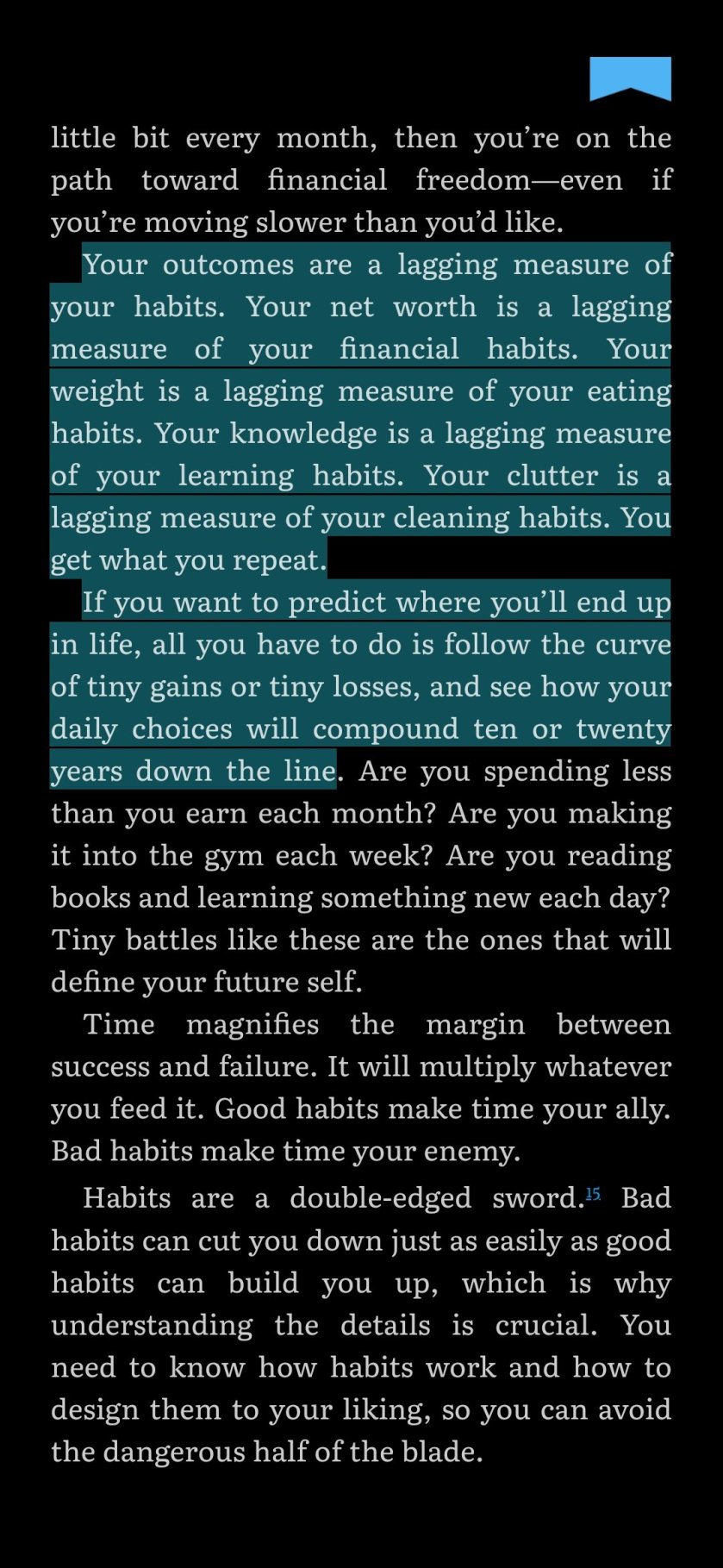
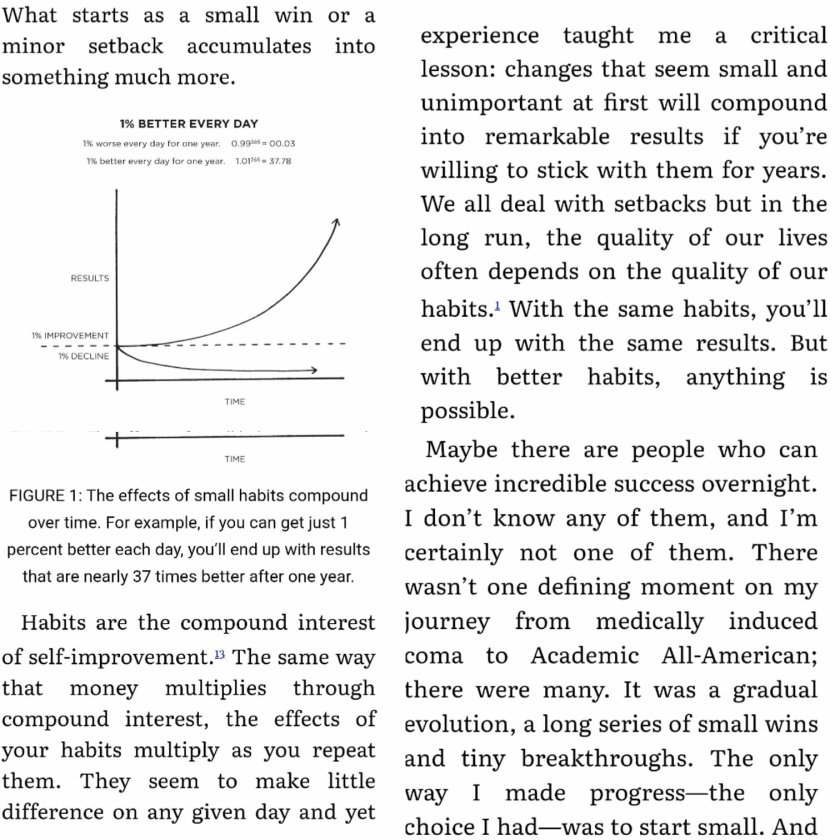
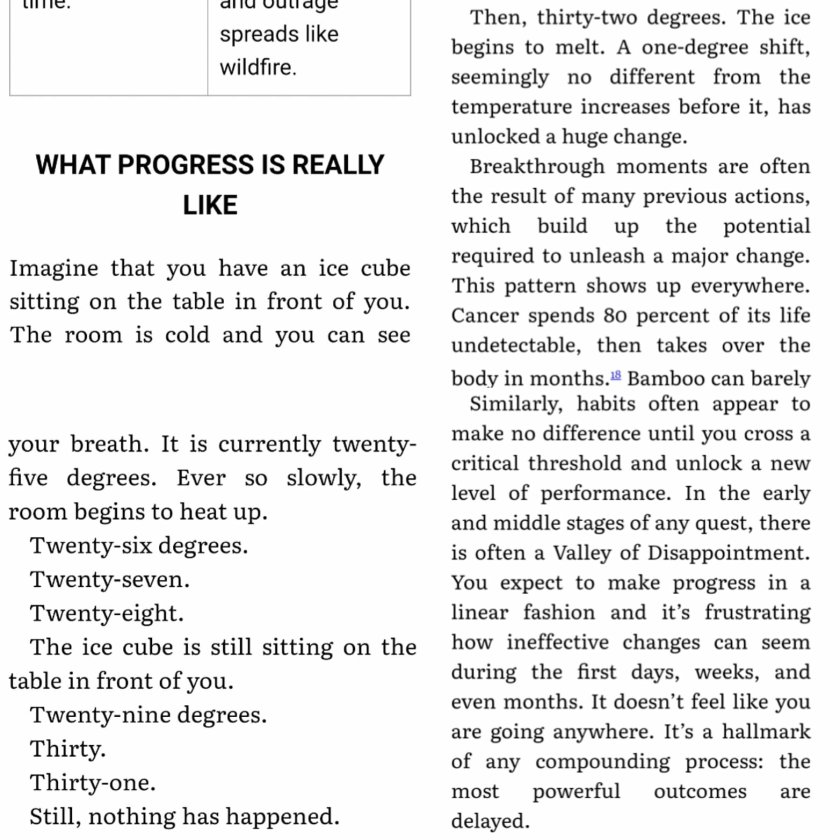
Setting such schedule above, we aim for nothing but building good habits. What we want to build is the habit, the exictement and the love for learning. For the sake of learning, not for grade, not for exam, or for any prizes. The habit that will turn into values and in the long run become the character and hopefully the destiny. The legendary Atomic Habits from James Clear summed it well below :

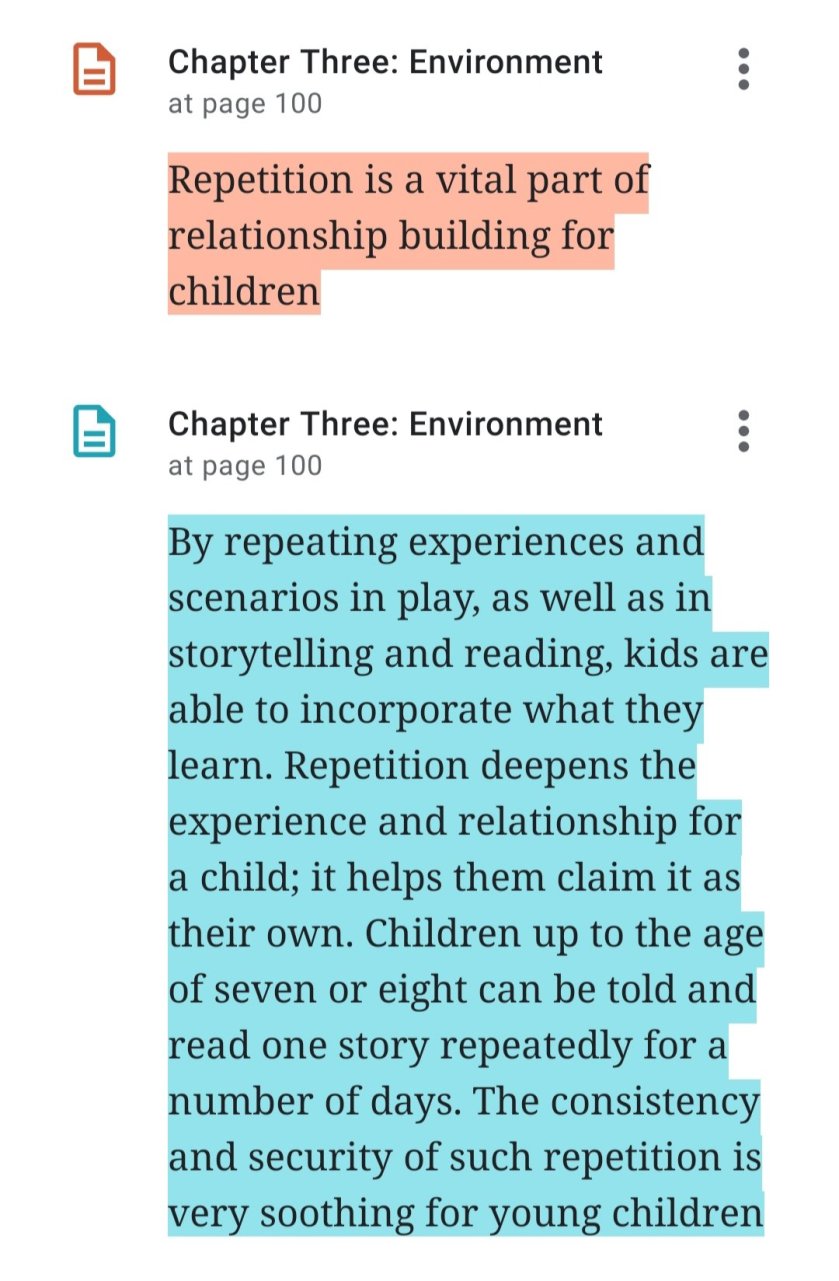
Recently, I also have been reading Simplicity Parenting from Kim Payne. He said in the introduction page :

“Daily activities says a lot about who we are as a family. You can see what a family holds dear from the pattern of their everyday lives”.

The rest of the book told exactly everything that we have been done. What children needs is secure environment to grow. How? Through regularity and daily rhtym at home. They need to know what to expect each day and there’s no better way to do it than setting and having daily schedule at home.

I am currently enjoying the result of rhytm and regularity that has been built since she was baby. She has been waking up at 5 since she was a baby. Few years ago, I wrote two similar in this post and this one.

When she ate for the first time, her first meal was fruit juice right after wake up. Seven years later, the first plate she has after subuh and Quran is still the same.

“Children depend on the rhythmic structure of the day—on its predictability, its regularity, its pulse. They benefit from dependability and regularity throughout childhood, but especially in the first three years, when the greatest learning takes place unconsciously. Not only can children find security in the patterns of daily life, they can begin to find themselves”.

Setting regularity and rhytm to the child’ daily life is not only beneficial to the children. It makes parenting much easier. We don’t have to find new things to do everytime.

Boring? no.

Why?

That explains why she is rarely to never display any tantrum, in whatever setting we have been. We dont only bring this regularity and rhytm in daily life, we bring it everywhere. During our traveling time, we wake up at or before 5 am for subuh and followed by first breakfast with fruit and bread then an hour later for rice. We always go out by 8 am and always back home by maghrib. By 8 pm, we are all in bed.

That explained why I had never enjoyed Paris, Tokyo, or Seoul at night. Three times in London, the one and only night time in London was this day of witnessing the beauty of London Night life.

Do I miss a lot? Not really.

Because it’s more important to enjoy everyday of the whole seven days than to sacrifice the rest of holiday for the sake of enjoying one beautiful night.

More importantly, staying healthy after the holiday is as well a point to note. With keeping our daily regularity and rhytm during traveling, we keep our physical and mental health altogether. We resume our daily activities again right after arrived home.

There are a lot of good points from the book such as the importance of art for young children, the benefit of having silent time, to declutter things like the toys, books, clothes, as well as the schedules. Having clear space has strong relations with clear mind. We simplify things to live better.

Just like the big message from the book : Our life will be simplified by simplifying our child’s.

Yes, it’s really true.

Posted in Books, Thoughts

Living with Risk and Luck

It’s been almost a year living during this unusual situation. Some countries have more clear view ahead, but sadly, not us in this country with such stupid useless brainless and heartless government.

Unintentional decision to do the smallest thing could lead to something big that we can’t handle. We’re forced to think twice or thrice about everything we do, whether it is necessary, unavoidable, or even as a matter between life and death.

Sometimes it’s quite overwhelming and I found dealing with this in Jakarta is much more overwhelming. How can be deciding to go out for simple walk within less than 5 km take tens of googling for days as if I want to go out of town to the unknown jungle?

But then, it’s truly unknown jungle out there right now to be honest.

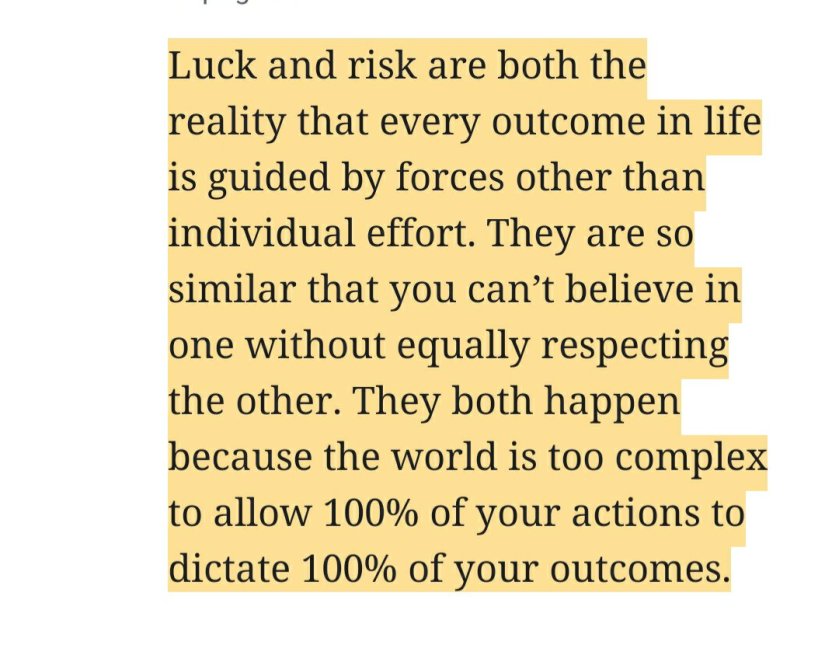
This reminds me a lot about the second chapter of a must-read book from last year by Morgan Housel in his Psychology of Money.

Luck and risk are two sides in the same coin and risk is more something that you can’t see. They are dopplegangers. They are siblings.

Many decisions made during this pandemic depends a lot by how we calculate the risks. From daily life to make ends meet to leisure things to keep the sanity.

The tricky part of this pandemic life is your decision is not all about you. It might have impact on other people and it could be the on the risk side instead of the luck. Visiting my parents’ house is no longer something that I could do without the second thought. Calculating time to visit, the duration, and many more.

Compared to London, in Jakarta the risk seems bigger. It’s not (only) about the virus but more of other things outside our control to deal with this new life. Like less reliable health system which gives you (almost) no space for being sick at the moment, the absence of green areas around the neighbourhood for daily walk or small parks with bench to sit and ponder in silence.

In the end, whatever decision we make, whatever risk we take, may we always be favoured with more good luck and protected from something that we can’t see and handle. Amin.

(I) Never going out without asking The Protector for that.

Posted in Books, Thoughts

Sistem Pendidikan, Skor PISA dan Status Pandemi : 75 Tahun (belum) Merdeka

Sudah ngga perlu intro lagi betapa berat tahun ini untuk semua. Tidak ada gunanya membandingkan tingkat kesusahan antara satu dan yang lain karena kita masing-masing pasti punya sesuatu yang mungkin tidak ditampilkan di luar.

Selain berat, tahun ini pun harusnya banyak memberi kesempatan untuk memperbaiki banyak hal. Buat saya salah satunya adalah tentang sekolah. Dalam beberapa bulan, tanpa benar-benar direncanakan dan diinginkan, revolusi pendidikan telah terjadi.

Mulai dari sistem sampai implementasi. Dari organisasi sekolah itu sendiri, semua guru, murid dan orangtuanya dipaksa untuk berubah dan beradaptasi. Situasi ini harusnya jadi pembuka mata untuk semua. Membuka mata tentang apa yang penting untuk dipersiapkan dan diajarkan.

Melihat semua yang terjadi di luar sana, memilih subjek yang perlu diajarkan di dalam (rumah) menjadi sangat penting. Sebelumnya saya pernah tulis pendapat pribadi di sini. Saya sebagai orang tua (dan guru), di atas keinginan anak bisa menguasai pelajaran sekolah, jadi anak yang cerdas, memiliki skill yang baik, atau hal-hal yang bisa terlihat dari luar, lebih dari kapan pun sebelum tahun ini, hal yang paling saya inginkan adalah anak saya belajar menjadi manusia yang baik.

Terlalu sulit karena abstrak. Perlu didefinisikan dengan jelas manusia yang baik seperti apa. Tentu saya punya konsep pribadi. Tapi, yang lebih penting adalah konsep universal yang berlaku untuk semua.

Sayangnya, berpuluh tahun negara ini merdeka dari penjajah literal, tapi belum juga merdeka dari banyak hal. Sepenting tujuan pendidikan dan pengasuhan yang jelas dan bisa menjadi kompas buat semua orang pun tidak tersedia.

Kenapa bisa ada buku parenting seperti dari Prancis, German, Belanda, Swedia, Finland, Cina, Denmark, Jepang? Karena mereka punya tujuan yang jelas MANUSIA dengan karakter seperti apa yang mereka inginkan.

Hal ini dijelaskan dengan gamblang oleh negara dan diaplikasikan oleh seluruh warganya. Semua bekerja sama untuk tujuan besar yang sama.
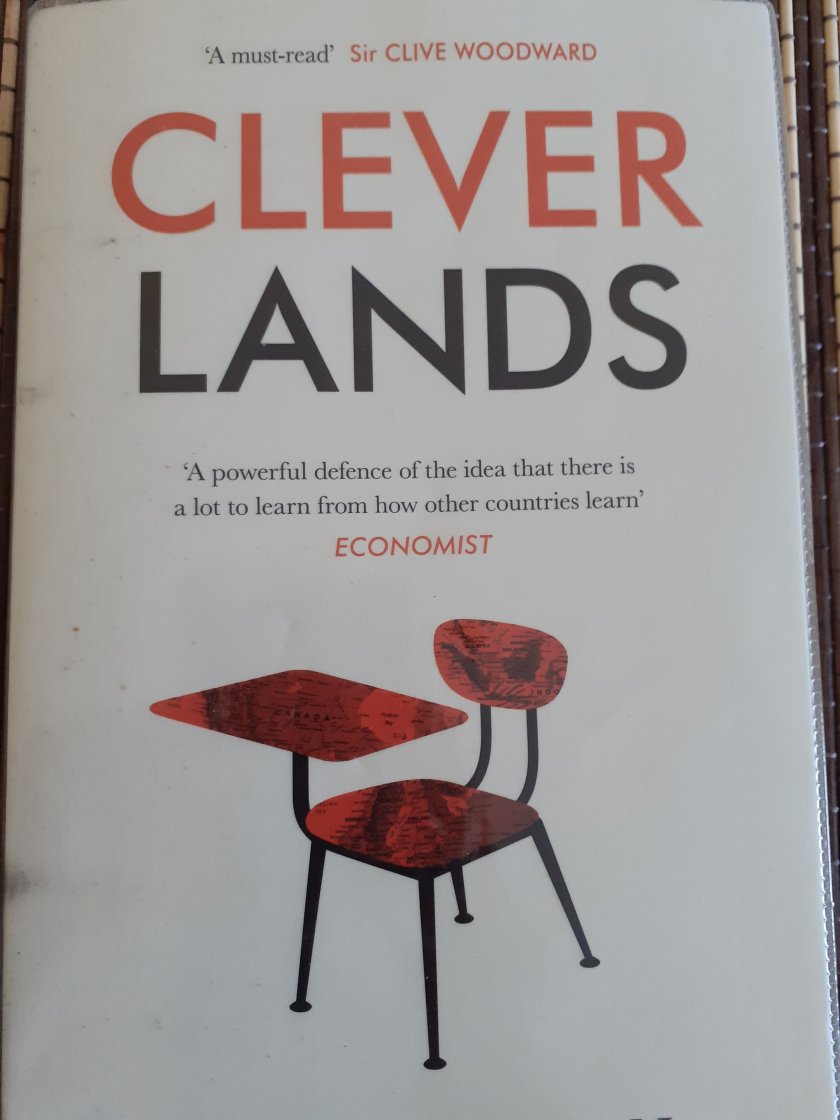
Buku ini menjelaskan tentang negara-negara dengan sistem pendidikan yang baik. Jepang dan Finlandia salah duanya.

Dijelaskan bahwa sejak kecil, anak-anak Jepang dididik dalam kelompok kecil dan selalu dibiasakan untuk mengutamakan kepentingan kelompok di atas kepentingan pribadi. Keberhasilan kelompok merupakan yang utama. Semua bekerja untuk mencapai keberhasilan bersama. Menjalankan sesuatu sesuai aturan dan tidak banyak komplain, disiplin yang tinggi, merawat kelas yang mereka tempati seperti rumah. Makanya sering kita lihat di drama atau film Jepang, anak-anaknya menyapu dan mengepel kelas, menyiram tanaman, membuang sampah, merapikan kelas dan semua hal yang mereka lakukan seperti di rumah sendiri.
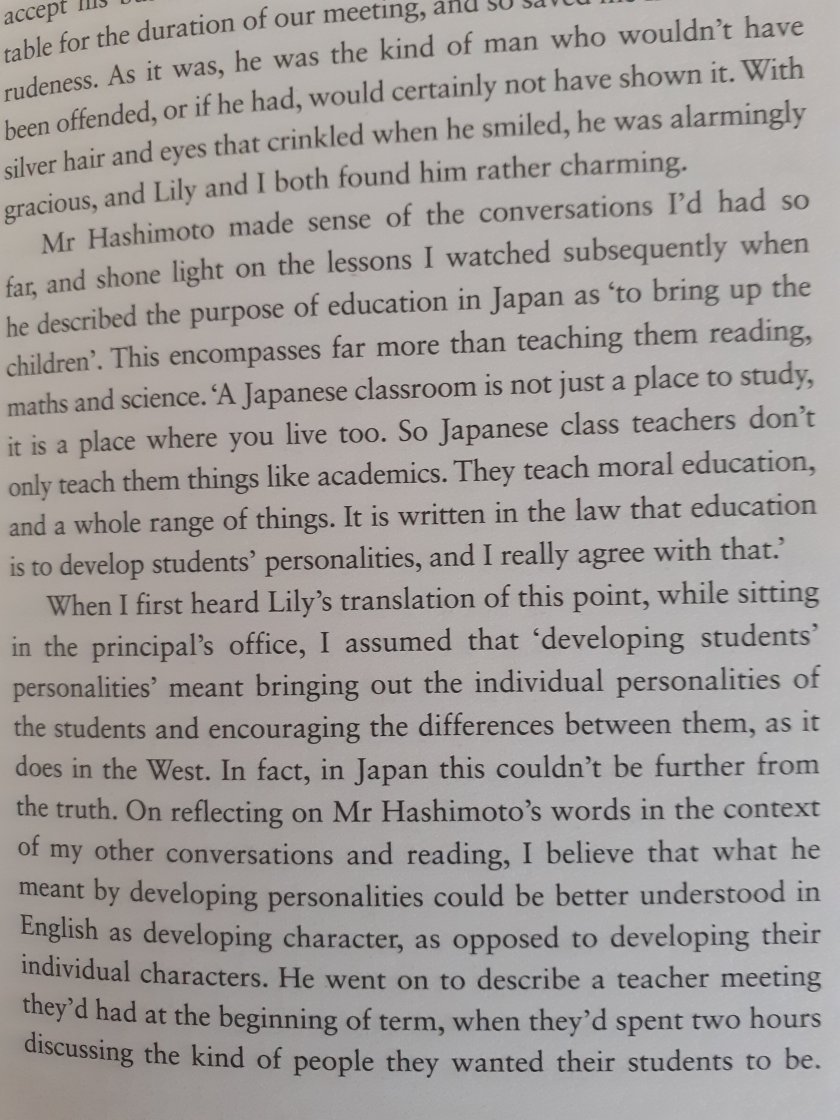
Seorang kepala sekolah Jepang mengatakan :”Ruang kelas di Jepang bukan sekedar tempat belajar, tapi adalah tempat di mana mereka tinggal. Guru-guru di jepang tidak hanya mengajarkan tentang akademik tapi juga tentang moral dan hal – hal penting lainnya. Hal ini tercantum dalam undang-undang bahwa tujuan pendidikan adalah untuk membangung kepribadian murid-muridnya dan saya setuju dengan hal tersebut”.

Di paragraf terakhir :

“Pada rapat guru di awal tahun ajaran, mereka menghabiskan waktu selama dua jam untuk mendiskusikan satu hal : murid-murid dengan KARAKTER SEPERTI APA yang mereka inginkan”.

Bukan tentang hal akademis.

Hasil dari pendidikan dengan tujuan yang jelas ini bisa kita rasakan di setiap sudut jika berkunjung di negara ini. Tiap sudut kota yang bersih, transportasi umum yang tepat waktu hingga ke satuan menit. Warga yang ramah. Tidak heran semua orang yang pernah ke Jepang sepakat kalo orang Jepang itu baiknya luar biasa.

Mereka menaruh kepentingan orang lain di atas diri mereka sendiri. Mereka menghormati orang lain seperti subwaynya yang penuh namun sunyi, mereka membantu turis yang kebingungan tanpa ragu-ragu, bukan sekedar menunjukan jalan, tapi seringnya mengantar sampai ke tempat tujuan. Meninggalkan barang di atas meja ketika di restoran buat sekedar ke kamar mandi atau memesan minuman lain bukan masalah besar. Semua sadar untuk tidak menyentuh apapun yang bukan miliknya. Setiap masuk atau keluar toko, restoran, semua mengucapkan salam dan membungkuk sebagai penghargaan kepada sesama manusia, siapapun dia.

Hal-hal tersebut tidak dibangun dalam satu malam, satu bulan, atau satu tahun. Karakter orang Jepang yang kita kenal adalah hasil dari pendidikan usia dini hingga tingkat tinggi yang hasilnya baru terlihat saat mereka menjadi bagian dari masyarakat.

Hal-hal yang kita kagumi itu merupakan hasil proses belajar bertahun-tahun yang dijalankan oleh semua orang.

Waktu ke Jepang tahun 2018, pak dokter bertemu dengan temannya yang sedang mengambil Phd dan sudah hidup beberapa tahun di Tokyo. Dia bilang sejak umur 3 tahun sampai kelas 4 SD, porsi utama yang diajarkan di sekolah-sekolah Jepang adalah pembentukan karakter. Bukan hal-hal akademis.

Sejak dini, fokus pendidikannya adalah untuk menjadi manusia yang baik. Ngga heran hasilnya seperti itu.

Selain Jepang, salah satu contoh lain adalah Finlandia. Di Finlandia, salah satu way of life yang diterapkan bernama Sisu. Sisu adalah kemampuan untuk menghadapi kesulitan dan mengubahnya menjadi kesempatan.

Di dalamnya terdapat kekuatan mental, resiliensi, dan keberanian untuk menghadapi apapun yang terjadi. Sisu ini mencakup semua hal. Akarnya ada di kesehatan badan yang baik. Karena tanpa kesehatan fisik yang baik, akan sulit untuk seseorang memiliki kesehatan mental yang baik.
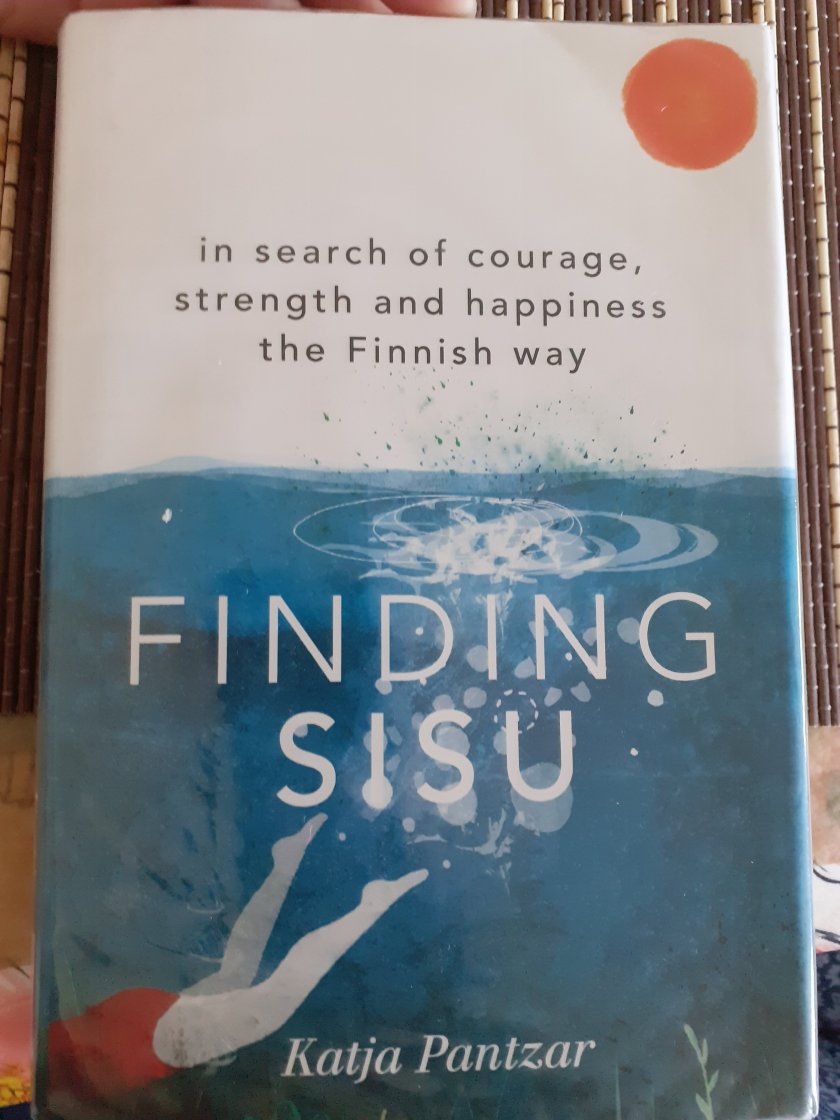
Sisu ini ditanamkan sejak kanak-kanak dan usia pra-sekolah. Jadi bukan tiba-tiba ketika dewasa dituntut untuk memiliki Sisu.

Pembangunan karakter ini dilakukan serentak baik di rumah dan di sekolah. Semua elemen bekerja sama dengan satu tujuan besar di kepala. Penerapannya pun dijabarkan dengan jelas konkritnya seperti apa.Salah satu untuk melatih kekuatan mental adalah berenang pada musim dingin. Berdasarkan penelitian, winter swimming mempengaruhi manusia dalam berbagai hal seperti meredakan stres, meningkatkan toleransi terhadap dingin yang mana sekaligus meningkatkan imunitas. Ketika dijalankan rutin, dapat menurunkan tekanan darah, sebagai pain relief untuk arthritis dan meningkatkan fungsi pernapasan untuk penderita asma.

Hidup sehat dan sederhana ala negara Nordic juga dijalankan sejak dini. Dibanding mobil, jalan kaki atau bersepeda lebih banyak dilakukan. Sarapan yang mengandung serat dibanding karbohidrat. Tidak peduli cuaca seperti apapun, tidak ada alasan untuk anak-anaknya untuk tidak bermain di luar. Tidak ada cuaca buruk, cuma ada salah kostum.

Sejak pendidikan dasar, anak-anak diajarkan untuk memiliki sikap untuk tidak menyerah ketika menghadapi kesulitan.Tujuan pendidikan mereka jelas, seperti yang dijelaskan di bawah ini :
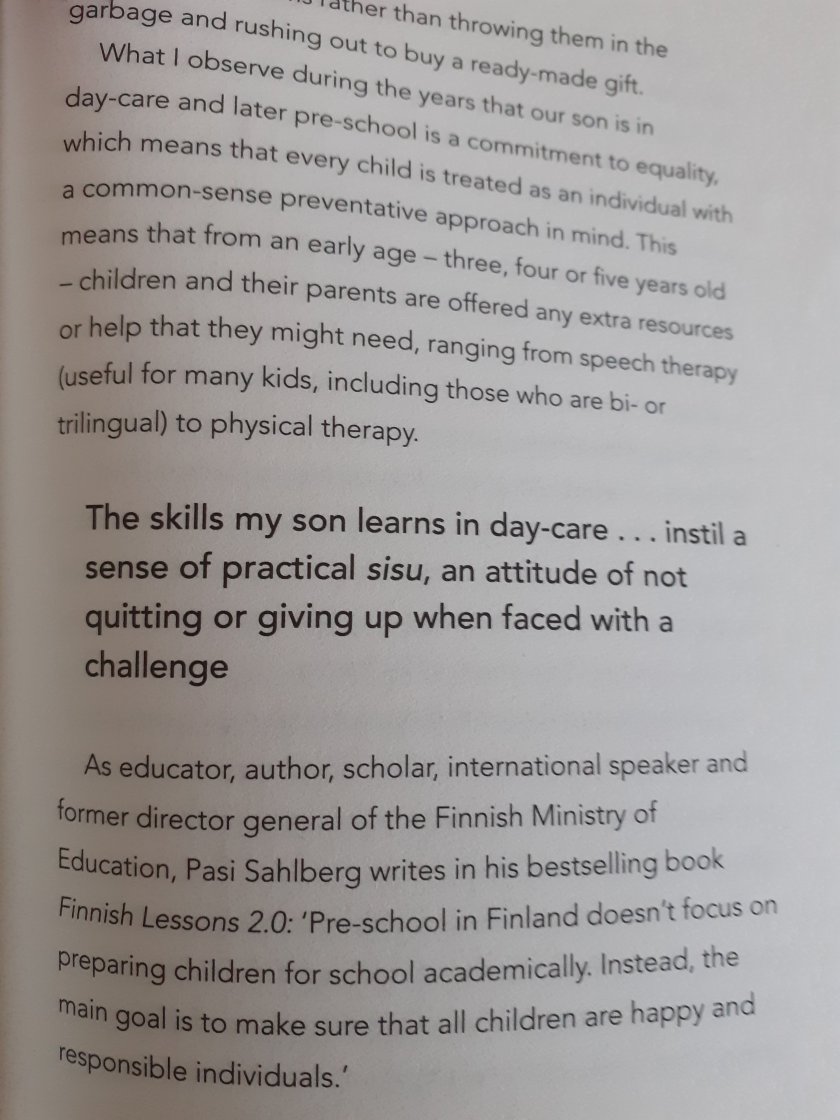
“Pre school di Finlandia tidak berfokus untuk menyiapkan anak-anak untuk hal akademis. Melainkan, tujuan utamanya adalah memastikan semua anak bahagia dan menjadi individu yang bertanggung jawab”.

Mencapainya lewat apa? Seperti berhadapan dengan pekerjaan sehari-hari, menghadapi masalah dengan teman, membereskan peralatan makan dan memakai baju sendiri dan hal lainnya.Tujuan yang abstrak yang gamblang dengan implementasi yang konkrit.Lagi-lagi, sejak awal tujuan utama di atas kertas dan implementasi di lapangan adalah membentuk manusia yang baik.
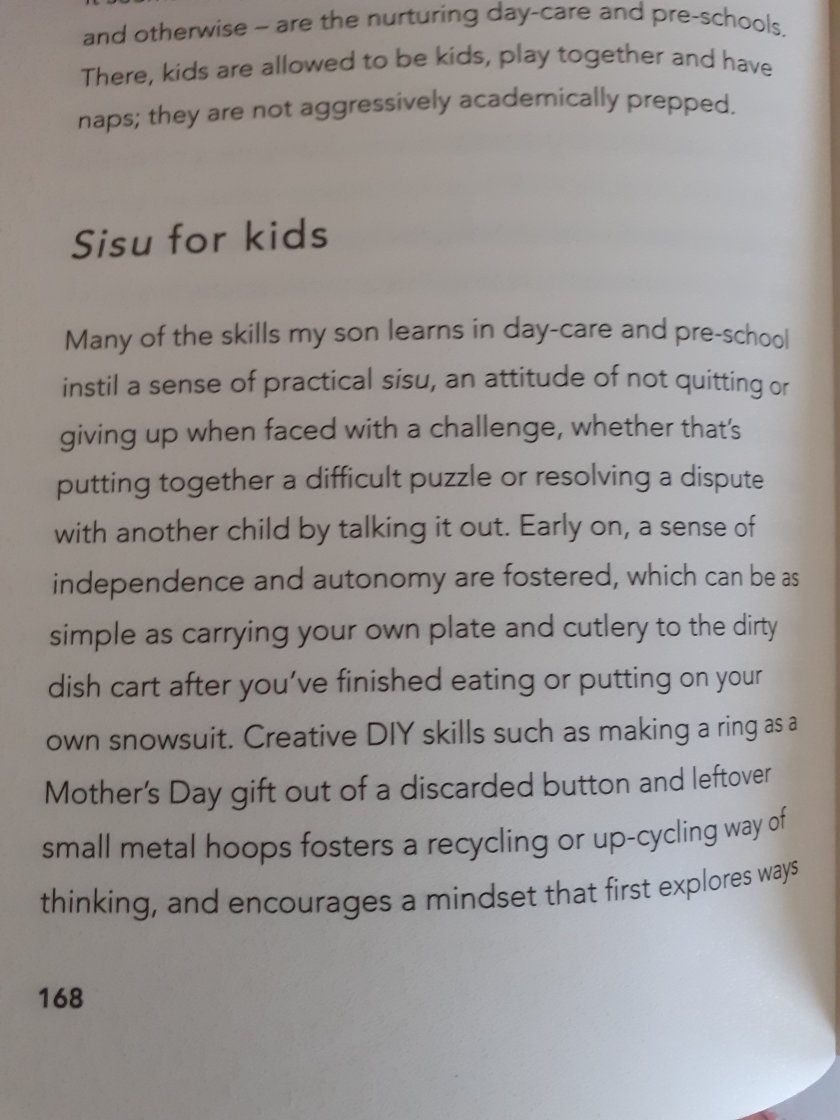
Itu hanya sebagian kecil contoh yang dijabarkan dalam buku ini.Dari contoh dua negara di atas, ada perasaan iri ngga sih? Saya sih iya banget🙁.

Belum selesai.

Bakal makin iri ketika liat hasil dalam jangka panjang. Efek dari memiliki tujuan pendidikan yang jelas dan impelementasi yang baik oleh seluruh elemen sejak usia dini, dalam jangka panjang semua hal tersebut berimbas langsung ke hasil pencapaian akademik.

Hasil PISA atau The Programme for International Student Assessment yang dilakukan oleh OECD (Organisation for Economic Co-operation and Development) dengan mengevaluasi sistem pendidikan di berbagai negara dunia, mengukur performa murid-murid 15 tahun dalam tiga bidang : matematika, sains, dan pemahaman membaca, menunjukan korelasi yang positif antara tujuan pendidikan yang jelas, pembangunan karakter yang dilakukan sejak dini dengan hasil akademis jangka panjang.
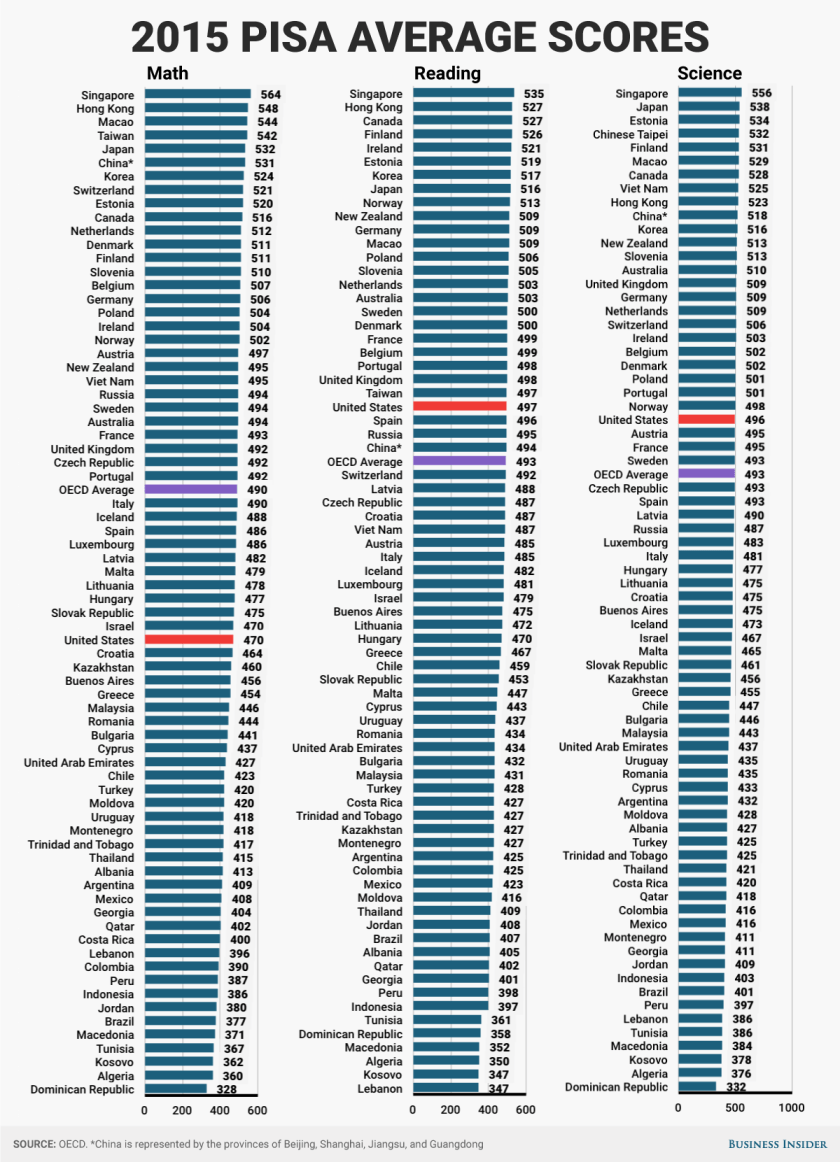
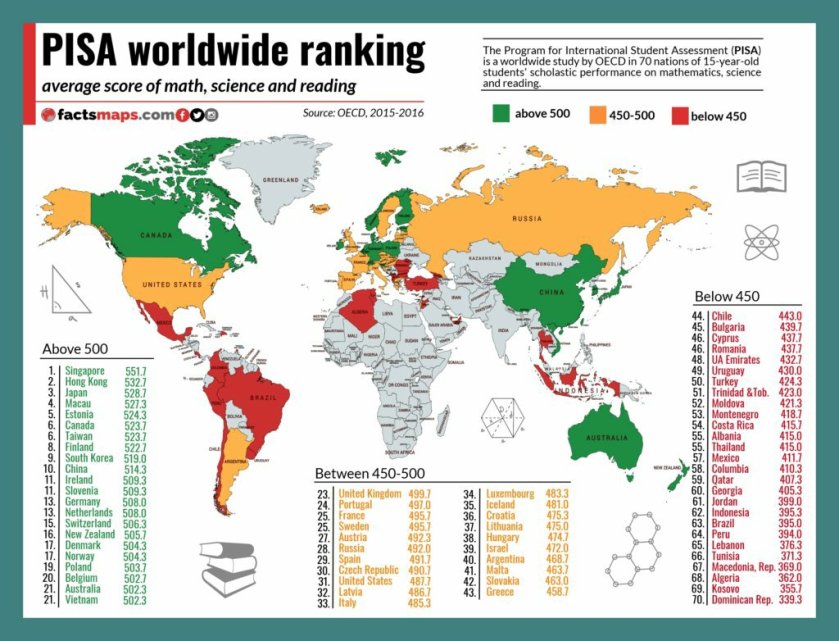
Dari tahun ke tahun, negara-negara seperti Jepang dan Finlandia ini selalu berada di peringkat atas dengan skor di atas rata-rata di semua bagian.

(Baca daftar ini).

Kesimpulannya : Karakter kuat didapat. Hasil akademik terbaik.

Sedangkan Indonesia? Bisa dilihat di bawah ini dari tahun ke tahun seperti apa hasilnya.
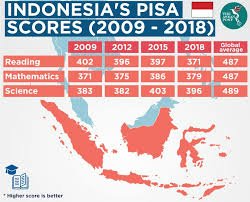
Sudahlah jauh di bawah rata-rata. Ada di jajaran peringkat terbawah. Tiap tahun mengalami penurunan lagi.

Lihat hasil seperti ini, sedih ngga sih?Saya sih iya banget☹.

Sedih saja memang ngga akan membawa perubahan apa-apa. Salah satu yang bisa dilakukan adalah memulai dari rumah. Tapi itu ngga cukup. Perlu sekali kerangka besar yang ditetapkan oleh orang-orang yang memiliki kekuasaan dan pembuat kebijakan kemudian menjadi panduan untuk dijalankan semua pihak hingga dapat membuat perubahan.
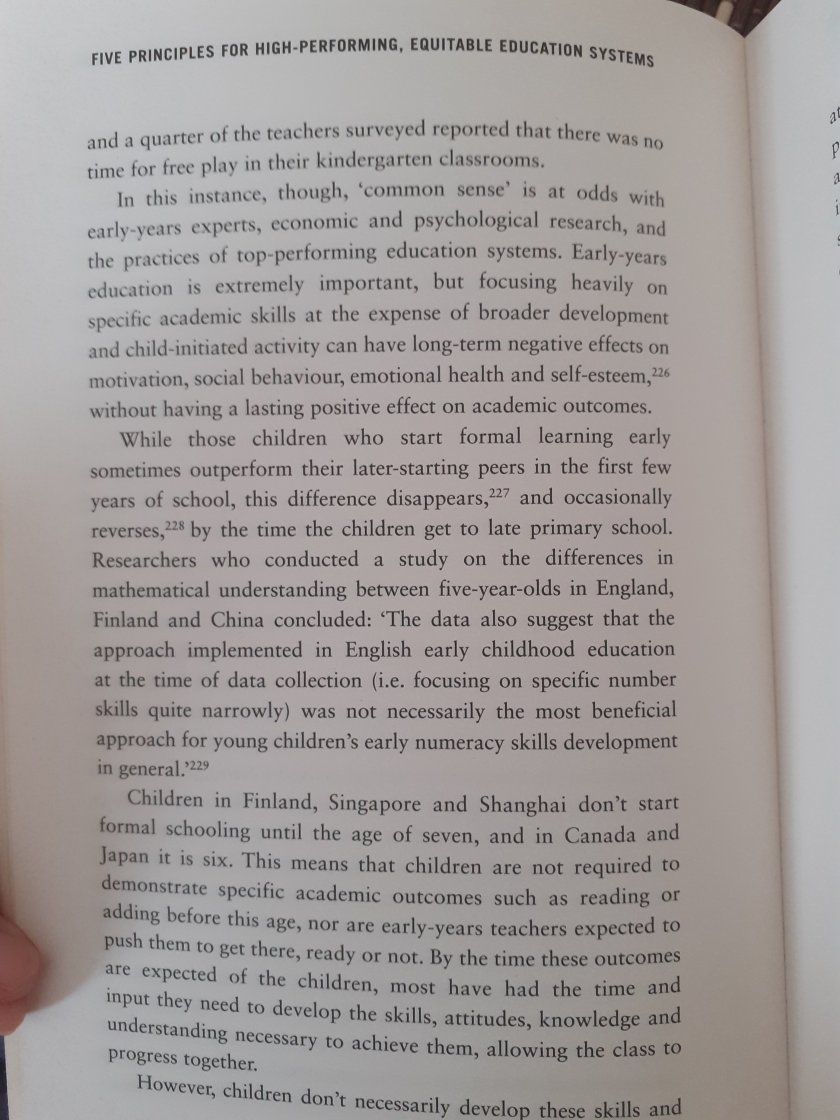
Pendidikan usia dini sangat penting. Namun bukan tentang akademis. Di 5 negara dengan sistem pendidikan terbaik tersebut, anak-anak sekolah usia dini tidak perlu menunjukan hasil akademis seperti baca atau matematika, begitupun gurunya yang tidak perlu memaksakan mereka ke arah tersebut. Ketika tiba saatnya, kebanyakan mereka akan memiliki cukup pengetahuan dan attitude yang baik untuk menguasai skill tersebut.

Sementara yang terjadi di sini, pendidikan usia dini di Indonesia kebanyakan berfokus ke persiapan akademik untuk memenuhi tuntutan tes masuk SD. Semua dipaksa harus bisa baca. Bahkan sampai ada bimbel baca! Padahal yang perlu ditanamkan adalah minat baca. Kalo baca aja ngga suka dan dibacakan buku aja jarang, lalu dipaksa suruh bisa baca, apa ngga sakit kepala?

Hasilnya pun bisa kita lihat dalam kehidupan sehari hal-hal paling sederhana di sekitar kita. Membuang sampah pada tempatnya pun kita belum bisa. Penyediaan trotoar buat pejalan kaki, di seluruh jalan, dan angkutan umum yang memadai tidak tersedia. Bahkan di ibukota. Sikap pengendara kendaraan bermotor lebih mengutamakan pejalan kaki pun sangat langka.

Kadang ngga habis pikir, kok bisa ya 75 tahun merdeka, hal-hal sesimpel di atas pun kita ngga punya?

Di pandemi ini makin terlihat jelas sekali ‘kegagalan’ pendidikan kita selama berpuluh tahun dari atas hingga ke bawah. Korupsi dianggap biasa. Sudah berbulan-bulan pandemi, pemimpin di atas ngga ada sedikit pun strategi konkrit untuk mengatasi masalah dan malah fokus ke hal-hal lain selain menyelamatkan nyawa. Sementara di bawah, rakyatnya malah masih sibuk mempertanyakan apakah virus ini benar-benar ada dan sulit sekali mengikuti aturan.

Semakin ke sini juga semakin terlihat betapa rendah empati di masyarakat. Sejak dulu saya melihat bahwa sesimpel kata maaf dan terima kasih itu kelu sekali diucapkan oleh masyarakat kita. Seperti beberapa kali mobil ditabrak, yang saya tunggu hanya permintaaan maaf, ngga perlu ganti rugi apapun, tapi yang SELALU keluar pertama kali adalah apa?Excuses.

“Duh kena ya? Perasaan tadi jauh”.

“Duh ngantuk banget lagi buru-buru jadi ngga sengaja”. dan masih banyak lagi.Frustasi ngga sih? Semakin kesini, saya sih iya😭.

Ada salah satu konsep pendidikan Indonesia yang pernah ditulis dan dijabarkan oleh Romo Mangun di tulisan ini.
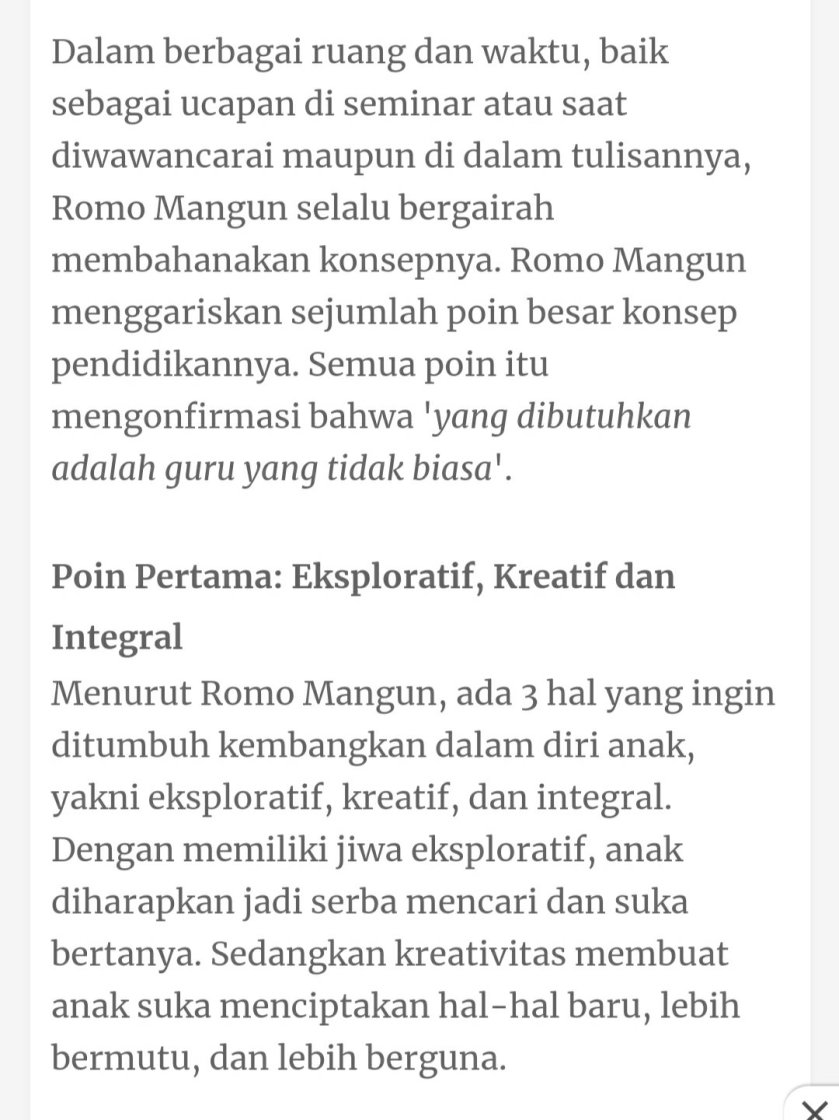
Konsepnya sudah jelas dan terukur. Sayang, hanya tersimpan di laci.Hampir semua tujuan pendidikan di Indonesia yang memiliki berbagai jenis sekolah, bermuara untuk mendapatkan hasil ujian di atas kertas selama tiga hari.Target akademik masih jadi satu-satunya tujuan akhir belajar dan tolak ukur keberhasilan sekolah. Belajar menjadi manusia selalu ada di dalam visi misi tapi masih sangat sangat terbatas dalam implementasi.

Mungkin, karena bagian ini membutuhkan banyak energi tanpa pemberian yang wajar di bagian kompensasi. Hasilnya pun masih harus menunggu waktu yang lama dan tidak pasti. Hasil dari pendidikan bertujuan sukses ujian yang kita tanam jelas terlihat beberapa bulan ini.

Semua strategi fokus menyelamatkan ekonomi, bukan menyelamatkan sebanyak-banyaknya nyawa ketika pandemi. Nyawa satu orang dianggap tidak berarti. Bertanya-tanya, manusia-manusia seperti apa yang menjalankan negara ini?

Di pendidikan hanya fokus mengejar akademik, bukan hal-hal dasar seperti karakter yang baik. Apa hasilnya?Ekonomi (menuju) resesi. Jumlah kasus dan kematian sangat tinggi. Hasil akademik rendah, pembentukan karakter yang baik pun setengah-setengah.

Di semua hal kita kalah dan payah.

Sebuah grafik dari bloomberg menjabarkan 5 negara yang memiliki resiliensi terbaik dalam pandemi ini :

1. New Zealand

2. Jepang

3. Taiwan

4. Korea Selatan

5. Finlandia

Bisa ditengok kembali ke tabel peringkat PISA.

Jelas ditunjukan bahwa negara-negara yang hasil skor PISAnya di peringkat atas adalah negara yang (rakyatnya) paling resilien dalam menghapi pandemi. Negara yang mengutamakan kesehatan rakyatnya dalam pandemi ini yang juga berhasil menyelamatkan ekonominya.

Kesimpulannya : Betapa besar dampak pembentukan karakter sejak dini ke pencapaian hasil akademik jangka panjang, hasil kehidupan sehari-hari dan dalam situasi krisis seperti pada pandemi ini.

Setelah 75 tahun, masih banyak sekali PR (yang belum dikerjakan) negeri ini. Tapi, harapan dan doa masih (harus terus) dijaga. Sambil terus bertanya-tanya : bisa bantu apa?

Mungkin bisa dimulai dari menetapkan dan membangun tiga karakter besar yang ingin dibentuk? Menetapkan target skor minimum yang ingin dicapai di tiga skill yang diukur oleh PISA?

Tiga hal yang buat saya pribadi penting seperti di tulisan ini. Hal ini ngga akan mudah karena dibutuhkan kerja sama dari semua. Anak usia dini masih punya banyak kesempatan untuk dibentuk, tapi bagaimana dengan orang tua dan para gurunya yang sudah terbentuk oleh sistem yang sudah ada berpuluh-puluh tahun? Mengubah sistem perlu dimulai dari perubahan mindset.

Mindset bahwa kita memiliki sistem pendidikan dan pengasuhan yang menghasilkan anak-anak yang berkarakter baik, jujur, disiplin, dan berempati sehingga masyarakat bisa menghargai hal-hal tersebut di atas hasil ujian di atas kertas.

Tolak ukur kesuksesan bukan lagi oleh yang terlihat di depan mata seperti hanya sekedar berapa banyak uang yang dihasilkan, jenis pekerjaan apa yang dilakukan, dan berapa banyak harta yang dipunya.

Sukses seorang manusia diukur dari banyak hal yang tidak terlihat seperti bagaimana dia memperlakukan orang lain dan sebahagia apa seseorang menurut definisi pribadinya.

Pandemi ini seharusnya bisa jadi titik awal dari perubahan besar pendidikan di Indonesia karena tanpa kualitas yang baik dari manusianya, (saya rasa) Indonesia tidak akan pernah benar-benar merdeka.
Posted in Books, Thoughts

True Privilege(s)

Among many words that being (ab)used often this year, privilege is one of them. As seen in current situations where inequalities happen everywhere, privilege becomes one of the keywords for the context.

According to Cambridge dictionary, privilege is an advantage that only one person or group of people has, usually because of their position or because they are rich. Most of the time, money is one of the strongest indicators of privilege and it’s true. Money might be not everything, but it surely makes things easier.

With money alone, the on-going pandemic even gives a clear line between those with privileges and those who arent. Those with savings and stable job could get through this hard time by surviving from home. Their life continues without so much struggles. But ones who are not as lucky, everyday might feel like a battle that should be fought hard in order to win. As lucky as I could be to be on the privileged side, I couldn’t help admiring those, in spite of their hard situation, keep thriving against all odds.

I have been realizing for some time that privilege comes in so many uncountable forms beyond money. Where you were born, who your parents (and later, your partner) are, a geographical place where you grow up, those were among given priveleges that one could have without effort since it’s all given. But, these past few months show that the true privileges are the intangibles of the tangibles. From my eyes, these are some examples of more real and needed privileges, or maybe kind of privileges that I want my daughter to have:

True privilege is not about how much money one has or earn, but the skill to know how to use it well, to achieve the goals and to give benefit to others.

True privilege is not about having good brain, but the ability to keep learning, trying, and not giving up when things get hard.

True privilege is not only about owning many things, but the ability and the willing to take care of it everyday.

True privilege is not living comfortably but having the adaptability skill to survive any situations.

True privilege is the ability to not taking things for granted, maintaining your health when you’re healthy, being conscious about what you do and your life, be grateful for everything that life has given to you.

True privilege is being mentally and physically healthy.

True privilege is knowing how much is enough based on your own standard not others and knowing your priorities and live accordingly.

True privilege is being able to be kind in this crazy world.

If those were summed up in one big picture, privilege is having the right mindset to live the life.

When I started my motherhood journey, the greatest unseen privilege that I have is : having choices. One should know how priceless it is. Tracing the dots back, having choices in the future was the result of the what focus on doing hard times one chose (or being chosen) in the past. I couldn’t help remembering one of James Clear’s quotes :

The Paradox of Freedom:

The way to expand your freedom is to narrow your focus.

Stay focused on saving to achieve financial freedom.

Stay focused on training to achieve physical freedom.

Stay focused on learning to achieve intellectual freedom.

What I realized after being a mother, such privileges are all earned. Not given. Through what? Through choosing the right courses in school life, as Prof Christensen said in How to Measure Your Life. Not until I became a mother then I knew that those hard times I had been through would give me easier path in the future. Not until I had my own child, those hard times were so much harder on the mother’s side than the child’s.

Giving your child hard times is ten times harder than experiencing them by yourself. It takes a lot of courage, commitment, stubborness, and heart made of steel to make and watch your child ‘suffer’, for good. Giving them hard times take the right treatment since you need to be fully present and supportive. Telling them to do something is not enough. You as parents, need to walk the talk. You need to keep learning on how to make and help them survive the hard times, without having unwanted damage.

Bloody hard works.

I was too afraid to imagine what I would become of if my parents didnt work hard and had strong heart to keep me stick with those challenging times. Been watching many examples and result if the parents takes the easy way. The price that the child should pay sometimes is too hard to handle.

The question is how to pass these privileges? Tracing back once again from my own experience, building privileges starts from building a good foundation, which is good characters. And good characters are the result of good habits built from early years. It’s a long term full time job. It’s tiring and exhausting. Countless time to resist the urge to quit, countless time to fall, stop, and breaks, then stand up once again.

The result of good habits built for years could only be visible in the long run. That makes many fail because we basically always want an instant result.

As James Clear wrote in Atomic Habits,

Habit

Progress

Outcome

Habit becomes character.

Character becomes one of most precious privileges.

More hardworks in future years and long way to go to create and pass as many as privileges to the next generation.

Because why not?

Life is never getting easy.

And, James Clear’s Atomic Habits is clearly one of the most important books to read in its category.

8 July 2020

(Updated) : Just listened to this and I couldn’t believe one of the best blogger whose writing I’ve been enjoying a lot since a long time said the very same idea about privilege in minute 42.

“The truest form of privilege is having the right mindset”.

Posted in Books

The Passings

Rarely concerned and made loud buzzing about stranger’s death unless it’s someone whose works deeply touched and enjoyed by heart and mind.

I found out Clayton Christensen passing in January recently and today, I found about the passing of Anders Ericsson two days ago.

Both are psychological book writers whose works I really admire.

Prof Christensen is Harvard Bussiness School professor who wrote How to Measure Your Life. His book was neatly and systematically written. He explained how bussiness theories are also applicable to other settings in life such as marriage, parenting and career. I borrowed his book from the library and had been renewing it for 20 times, because I wanted to keep reading it.

Anders Ericsson is Swedish Psychologist who had been studying about expertise for 30 years. His book, ‘Peak’, explained that an expert is never born, they are always made. Through the years of practice, to be spesific, deliberate practice. Many examples written is so entertaining until you will believe, there’s almost nothing that you can’t do, if you set your whole mind, body, time and energy to master something.

Thank you for such great works.

May you both rest in peace.

Posted in Books, Places, Thoughts

Tempat Paling Favorit di London

Dua bulan di sini, temen ngga (belom?) punya, kenalan hampir ngga ada, rutinitas itu-itu aja, tapi tetep happy, karena tempat ini.

Seminggu bisa dua-tiga kali ke sini. Jalan kaki 5 menit dari sekolah Langit, 15 menit naik bis dari rumah. Ngga ada temen yang lebih menyenangkan dari buku-buku bagus. Dalam dua bulan, saya udah menghabiskan lebih dari jumlah total dari yang saya baca selama setahun terakhir.

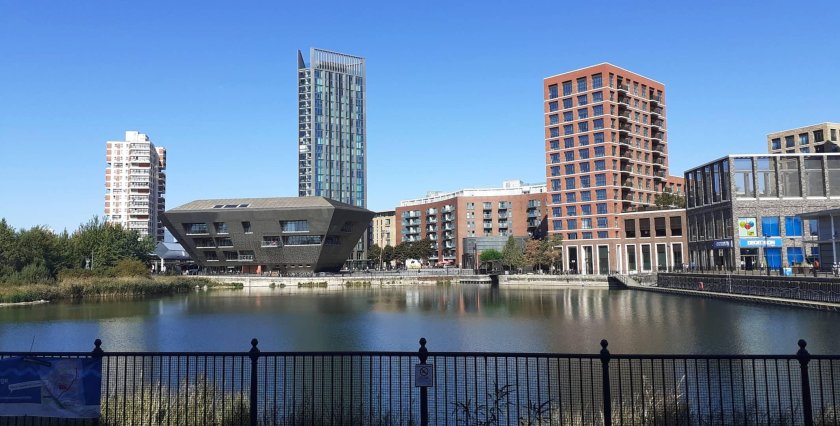
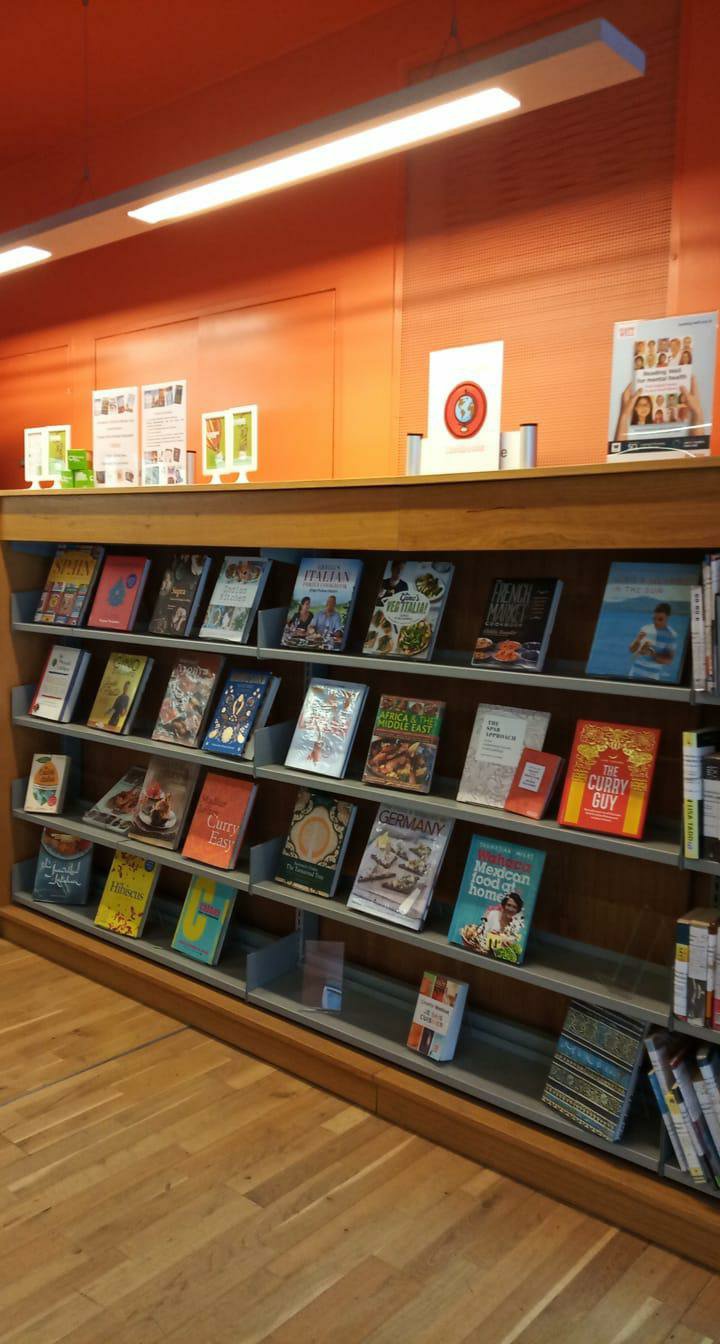
Canada Water ini salah satu perpustakaan lokal di bawah Southwark Council. Setiap daerah punya perpustakaannya masing-masing. Koleksi bukunya lumayan lengkap. Setidaknya saya selalu punya bacaan yang mau saya baca. Selain itu, ngga ada batesan jumlah buku yang mau kita pinjem. Belum selesai baca? Tinggal perpanjang otomatis di mesin. Kecuali ada yang sudah booking di tanggal pengembalian kita. Itu harus dikembalikan dulu. Ada satu buku yang saya udah perpanjang lima kali karena saking sayangnya bacanya diirit-irit

Menyenangkannya lagi, di sini perpusnya bukan yang kaku ngga boleh berisik, bawa makanan dan minum. Di sini boleh bawa makan dan minum, bau harum kopi dan roti di cafe bawah bisa dinikmatin sambil baca buku. Kenapa baunya aja? Ya karena saya bawa bekal sendiri, hehe.

Di lantai satu ada area anak-anak yang mana hampir ngga pernah kosong, biarpun hari kerja. Hari Minggu bahkan lebih rame lagi. Kursi-kursi yang tersedia banyak dan mengakomodasi banyak kebutuhan. Ada yang dateng mau kerja pake komputer, ada yang perlu buat diskusi, ada yang perlu konsentrasi sendiri, ada meeting room kecil buat 10-15 orang, atau ada yang cuma mau duduk baca diselingin bengong sambil liat pemandangan danau di luar sambil berjemur (saya masuk bagian ini), semua ada dan nyaman.

Kegiatan untuk anak-anak pra-sekolahnya pun banyak. Mungkin kalo pindah ke sini waktu Langit belum sekolah, saya akan nongkrong di sini lebih sering lagi. Ada di satu hari, children arenya diubah kaya playground dengan banyak buku. Hari itu stroller-stroller lebih padet dari Tesco pas weekend. Bayi dan anak-anak kecil lari kesana kemari dan saya perhatiin orang dewasanya juga biasa aja. Bahkan ketika anak-anak itu ngelewatin quiet area.

Perpustakaan seperti ini berharga banget buat saya yang suka baca tapi banyak mikir buat beli, bisa karena harga atau penyimpanannya. Saya punya kindle, tapi baca buku fisik itu beda. Adanya perpustakaan seperti ini, semua kesenangan dapet. Baca buku fisik dapet, ngga musti keluarin uang, pilihannya super banyak, selesai baca ngga menuh-menuhin ruang di rumah, tinggal balikin, bisa ganti cari buku lain lagi.

Perpustakaan ini, dan saya rasa perpustkaan lokal daerah lainnya, bukan sekedar tempat baca dan pinjem buku, tapi sekaligus jadi pusat komunitas. Kegiatan lainnya seperti pemutaran film, teater skala kecil, story telling buat anak-anak, pesta piyama, kursus singkat bahasa Inggris, dan masih banyak lagi. Tempat yang pas sekali buat menghabiskan waktu tanpa menghabiskan uang. Semua gratis.

Perpustakaan yang mumpuni dan taman hijau dengan playground yang memadai, dua hal yang seharusnya wajib ada dan tersedia di sebuah area tinggal.

Dua fasilitas umum yang jadi indikator negara maju (buat saya), yang mana (mungkin), ngga akan pernah ada di Jakarta, (dan seluruh Indonesia).

Posted in Books, Maternité, Review, Thoughts

Parenting Around the World

I am not a big fan of parenting seminar, but easily sold to well-written parenting books. While seminar is mostly sound like preaching, these books provide not only opinion but with fact and data, research results from journal or real experience to support their writing. I have finished all these five books and so eager to write about this.

European countries have almost similar pattern and idea in raising their child. They didn’t even know before that their country parenting way existed until four American Parents did some researches, observed things,interviewed the experts, compared some studies, then published their findings into an enjoyable reading (for me).

Although there were some minor differences, but they all agree on few big ideas from the very beginning : raising a self-reliance child, the importance of playing, social skills, basic values and character development over cognitive in early years. Those are some of important skills to master that lead to many things in the child future years such as lower chance of depression and anxiety, emotional stability, resiliency, and higher chance of being a happy adult, which also linked to the result of a happy parent.

Soothing himself to sleep and sleeping all through the night, is the first and foremost skill a baby has to master as soon as 3 months, at the very late at 6 months, no matter what kind of feeding (breastfeed or bottlefeed). All four books agree with this. Mastering sleeping is more crucial than stimulating any skills in the early months.

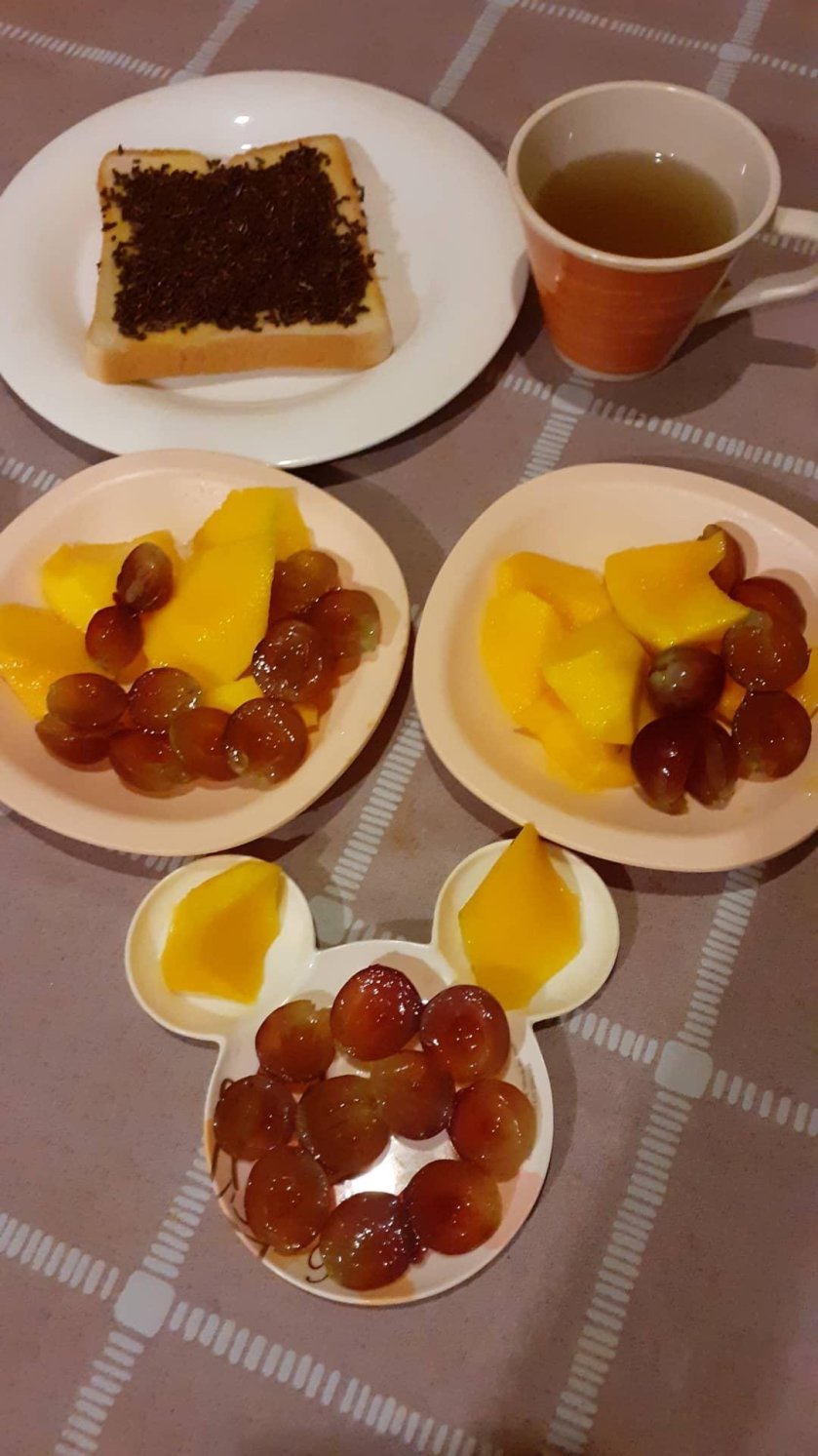
Eating habit becomes crucial especially for French and Dutch. Children eat what is served, any kind of food, and sit on the table. In Dutch, no one is eating until every family member sits on the table and they have chocolate sprinkles for breakfast. Meanwhile in France, even babies learn to differentiate and taste many kind of cheese since early years. No wonder when it comes to food, French is quite snob.

These two basic habits are important for the baby to set a routine and schedule. Mastering both make days easier.

French and German send their children to a whole-day daycare since early age. ‘La creche’ in France and ‘Kita’ in German are available free for all children, not only as a choice for working parents. Meanwhile most of the Dutch preferred the children to be with their parents.

All four let their child wander around alone in the playground, go to school by their bike or bus from the first grade, and decided what they want to learn since daycare days.

The Danes put strong emphasize on free playing for the first seven years of a child’s life. Playground time is crucial because it’s where the children learn about empathy, patience, and social skill. Lego was made by the Danes, which derived from the word “leg and godt” means “play well”. Children creates their own playing, even without the toys, and outdoor play is a must, in spite of season or weather. They believe there’s no bad weather, only bad clothing.

While French and German are more to stiff and rigid parents, the Dutch and Danes are more relax and fun. France and Germany primary schools are still heading to academic excellence while Denmark and the Netherland see school as a place for personal development training and social skills, without giving so much stress to the academic achievement.

These writers compared how different Americant parents raised their child. Kindergarten is the new first grade, a short recess time to play outside, mastering skills over growing values for the first seven years, cognitive development is a king until Vygotsky came up with what he called by “American Question” : “When will my child master… (insert skill : reading, writing, counting)?

The famous American Tiger Mom raised her two daughters in total opposite of how those European parents did. Bien sur, with more tangible and measurable result too.

“European parents main concern is for their children to be happy and find a community that they feel at home in. The main concern of American parents is for their kids to become successful in life”.

(We can replace American with some asian countries too).

————————————————

European parents are lucky because they live where the whole country raise their children together. Their parenting curriculum is clear and one for all. Saying Bonjour for French becomes a national curriculum that should be achieved by everyone. Also, they have many things to make raising a child easier.

From birth child support, free health care and daycare for all children as small as 18 months to 6 years, paid maternity and paternity leave, shorter working hours, long vacation days, big and proper playground everywhere, the society who put pedestrians and bikers before four wheel rider, no long hours to commute from home to work, one single national curriculum for the whole country.

While on the other side of the continent, the situation is pretty much different. Those luxuries might not be available for everyone, and the struggle is undeniably harder. When European works to live, most of American (and Indonesian) lives to work. No wonder an American writer countered the idea by writing an article : “French parents are not superior, they just have it all easier”. French is one of the countries with most vacations day.

—————————————–

As much as I agree, enjoy, and have been applying few things even before reading the European ones, half of me stand on American side too and it’s great to know how both ways are aligned with Islamic parenting way.

When I was doing my final paper for master degree, I found an article about how Islam divides parenting in three big periods.

Taken from http://islam-today.co.uk/parenting-the-islamic-way :

The Holy Prophet(s), in a beautiful narration, has divided the upbringing of a child into three stages; from birth to age 21 :

The child is the master for seven years, a slave for seven years and a vizier for seven years. So, if he grows into a good character within 21 years, well and good; otherwise, leave him alone because you have discharged your responsibility before God.”

The first stage is so aligned with European way. Up to seven, a child is a king. What he needs to do is play, no responsibility. The utmost priority is proper upbringing and character building. It’s the foundation of everything that he becomes of in the future. Universally good character should be planted before anything else.

Then, at the second stage, he is a slave. It’s when American style is suitable for this period to emphasize formal learning, academic or any talent skills. It becomes clear why salat also becomes compulsory when the child turns seven and should be punished if he doesn’t do it until the age of 10. Being a tiger parent is allowed on this stage.

I won’t go further with the third stage since I just want to point how Islamic parenting aligned with both European and American. I think the third stage is about the time the child and parents ‘see and enjoy’ the results of their upbringing from the first two periods. It’s when a child is a vizier, or in more a familiar word is minister. It’s the time when the child starts leading himself, know his preferency, and the parents need to be there as an advisor until the time he reaches official adult age.

———————————————-

I believe parenting is not a noun, but more to a verb, which full of hard works. As a mother who raises a daughter without my mother around, I have a lot of questions that I want to know the answer, reading so far has been a good teacher for me.

In term of the writing style, Bringing Up Bebe is the most enjoyable one. Witty, funny, and examples given feel right. Also maybe because I was raised this way and naturally, raising Langit this way too as I wrote It’s Matched!

The Happiest Kids in the World is an easy and light reading. A Battle Hymn is very well written and couldn’t help feeling the same high tension while reading it as how tense Amy Chua raised her daughters.

One of the perks of moving to London that I love the most : library with good books is only few bus stops away and time and energy for reading is widely available. Another thing I will miss when I return to Jakarta.